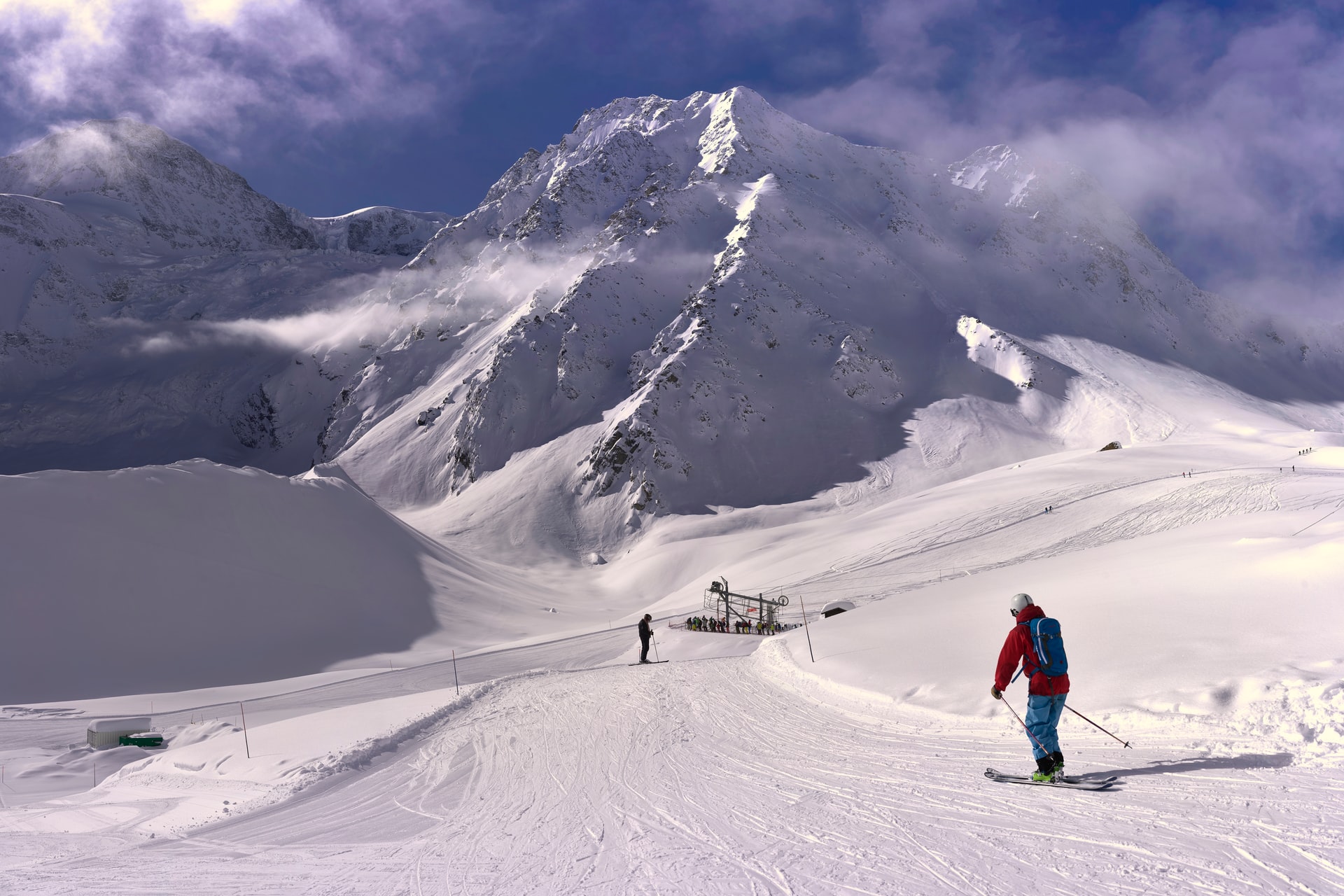
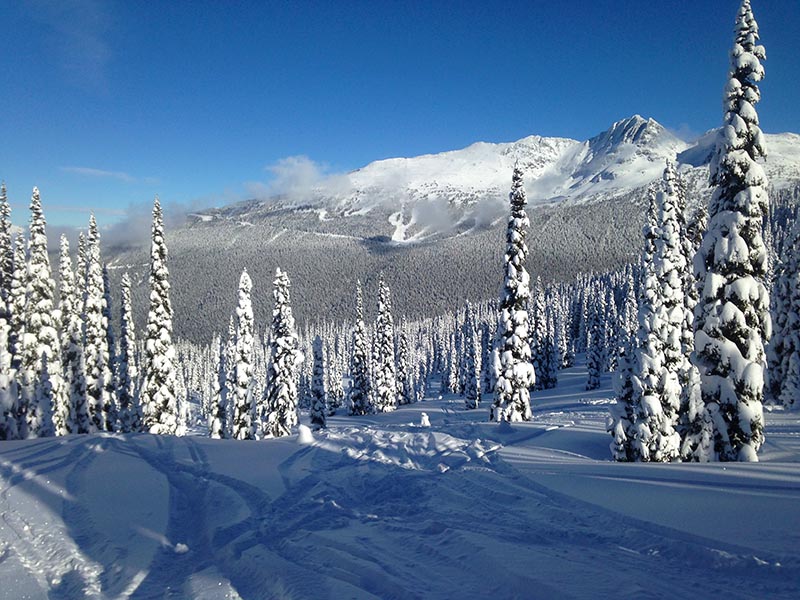
It’s always winter on a ski holiday and, when you’re surrounded by snow, the only thing quite as exhilarating as skiing and snowboarding (or as potentially humiliating) is a good old-fashioned snowball fight. Whether you’re gearing up for battle against group ski trip rivals, cappuccino skier friends, or family away skiing with you, knowing the secrets of snowball warfare can mean the difference between triumphant glory and a face full of snow. Don’t be fooled by the apparent levity of this endeavour, this is serious business, so here’s our ultimate guide to how to win a snowball fight, every single time!
1. Preparation is Key
Scout Your Battlefield: Choose terrain wisely. Trees, bushes, walls, and parked cars can offer vital cover. Establish boundaries to avoid chasing or being chased into risky or off-limits areas, and don’t run onto the piste, or worse, the terrain park.
Gear Up Appropriately: Wear layers for warmth, waterproof gloves for effective snowball making, and sturdy boots to avoid slipping during critical moments. Ski clothing is perfect for fearlessly fighting with snowballs, but a helmet might be seen as overkill, so a good hat might shield you from sneak attacks and keep your head in the game, literally.
2. Crafting the Perfect Snowball
Snow Selection Matters: Fresh, slightly wet snow is your ideal ammo. Dry snow won’t stick, and overly wet snow becomes a hard ice ball, which is both painful and unsportsmanlike. Side-piste and off-piste are where to find the best fresh powder.
The Art of Making Snowballs: Scoop snow with both hands, press it firmly into a sphere, and smooth it out. Make batches ahead of time and keep them in your “ammunition station” (a strategically placed stash). Don’t do this on are at the side of the slopes, as focussing on making snowballs means you won’t spot dangers like skiers or snowboarders hurtling towards you.
3. Battle Strategies
Team Up Strategically: Organize your teammates with specific roles: attackers, defenders, and ammunition makers. Communication is critical, so agree some signals or code words help coordinate ambushes and retreats. We use ‘avalanche’ to launch a frenzied group attack, and ‘iglu’ to signal a retreat to cowering behind cover (or behind each other, when all valour is spent).
Establish High Ground: The higher ground is a natural advantage. You’ll have gravity working in your favour, increasing both the reach and speed of your snowball throws. Fortunately all ski resorts are built on slopes down the side of a mountain, so outflank your snowball fight opponents to get above them on the hill.
Employ Diversion Tactics: Create distractions to confuse opponents. One team member can draw fire while others execute surprise flank attacks from the sides or behind. We found having a non-combatant ski past while shouting their names is surprisingly effective.
4. Mastering Your Throwing Technique
Aim and Fire: Target larger areas of your opponent’s body, such as their torso. Faces are off-limits for safety and sportsmanship reasons, unless the snow is very soft and powdery. Aim slightly higher to account for gravity. A hit in the ski jacket is almost as satisfying as the rear of the salopettes – bum shots are always strangely hilarious.
Rapid-Fire Accuracy: Practice throwing quickly yet accurately. The key is balance: too slow, and you risk retaliation; too reckless, and your ammo runs out prematurely. Have your team practice quick-fire snowball making and throwing while out skiing during the day.
5. Defense and Survival
Use Your Environment: Build snow walls or bunkers for shelter or hide behind stashes that the piste-bashers have mounded. Move frequently between cover spots, staying unpredictable to opponents. Hiding behind trees is a winner, but watch out for the big dump to drop on you if you knock the trunk!
Counter-Attack Wisely: Timing your retaliation just after an opponent has thrown their snowball leaves them temporarily defenceless, but you will be exposed to their throw so hold your nerve – do not throw with your eyes closed!
6. Victory and Aftermath
Maintain Good Sportsmanship: Celebrate wins graciously. Remember, the goal of a snowball fight is fun, camaraderie, and friendly competition. Alternatively, dance around holding the thumb/finger loser sign to your ski goggles until they are goaded into starting to throw at you again.
Warm Up Properly: After your snowy triumph, head indoors to warm up with a well-earned hot chocolate, recounting the glory of your win. This is an opportunity to regale your friends with tales of their bravery, and further denigrate the opposition, who should also buy the first round if they lost.
Winning a snowball fight requires more than just good aim – it takes cunning, teamwork, and strategy. Arm yourself with these tips, and you’ll be a snowy victor of your next ski trip, earning respect and bragging rights throughout the winter ski season!
To book your ski holiday in the best destinations for both skiing and snowball fighting, read our guide to the world’s best ski resorts.
Astrotourism has surged in popularity in the past decade, as more travellers seek celestial events like meteor showers, solar eclipses, and – of course – the spectacular northern lights. Winter sports enthusiasts are no exception to this trend and are even flocking to more northern resorts to boost their odds of sighting the aurora borealis during a skiing getaway.
In light of this, Finland and Norway have been spotlighted as some of the best countries to see the northern lights for skiers and snowboarders. While they’ve always been popular spots for their snow-sure conditions and prime skiing landscapes, they’ve worked their way up travellers’ lists even more so now for those who seek a memorable ski holiday and the best chance to see the aurora in all of its glory.
So, if you’re eyeing up a winter sports vacation in either Norway or Finland, with the hopes of seeing the northern lights, but don’t know which is better for you, we’ve saved you the time and done the leg work. In this guide, our team at SNO has broken down what you can expect from a winter sports holiday to see the northern lights in Norway and Finland, as well as each country’s climate, best resorts, and incredible winter activities beyond aurora spotting.
Weather and Climate on Ski Holiday in Norway and Finland
Norway and Finland have famously chilly climates, but don’t let these frostier temperatures put you off! With incredible skiing and increased chances of sighting the northern lights dancing through their skies, both countries are well worth your while for a winter getaway. Here’s what you can expect from each country’s climate.
Norway Weather and Climate
Norway experiences average daily temperatures of anywhere between -3.3°C in destinations like Tromso and Oslo, to -11°C in northern locations like Longyearbyen. Snowfall is common too (unsurprisingly!), with an average total annual snowfall of 178cm.
Norway’s snowy conditions are desirable compared to other European destinations, with an extended winter sports season lasting from November to April in many of its northern resorts, which are often marked as ‘snow-sure’.
Finland Weather and Climate
Finland’s climate is comparable to Norway’s, with frosty temperatures to be expected throughout its landscapes, particularly in winter. These temperatures range from anywhere between -17°C to -45°C, so be sure to pack plenty of insulated gear with you for a snow sports getaway here!
Much like Norway, Finland is known to be a snow-sure destination during its extended winter sports season from December to April, with many of its resorts sitting within the Arctic Circle. There’s an average of 200 days of snowfall every year too.
One thing to bear in mind, whether you visit Norway or Finland on a winter sports getaway, is that more northern resorts have reduced daylight hours during winter, with as little as 5 hours of daylight in December!
Is Finland or Norway Better for the Northern Lights?
It’s difficult to weigh up whether Finland or Norway is better for sighting the northern lights, as both countries offer fantastic chances of spotting the phenomenon, particularly in their more northern resorts.
Norway edges ahead in offering more frequent displays of the aurora borealis. This is because many of its destinations sit within or near the “aurora oval”, which offers prime conditions for seeing the lights thanks to the country’s minimal light pollution.
The northern lights in Norway are visible between September and March, coinciding with the winter sports season. But, the best time to spot them is between November and January when daylight hours are at their lowest.
On the other hand, you still have fantastic chances of seeing the northern lights in Finland, especially skiing in Finnish Lapland, which also sits within the aurora oval. However, compared to Norway, the intensity of the aurora borealis in Finland is lower, though this doesn’t mean that you won’t see them! Visiting during the winter sports season – particularly between September and October or February and March – will increase your chance of sightings!
Best Places to See the Northern Lights in Norway and Finland on a Ski Trip
Finding the perfect winter sports destination means great runs, exciting activities, memorable experiences, and – in this case – great chances of spotting the northern lights! We’ve selected the best resorts in Norway and Finland that not only offer prime aurora spotting conditions but also epic skiing and snowboarding opportunities:
Geilo is one of five national park villages in the district of Hol, enveloped by mountains that create a dramatic backdrop for winter sports getaways. The resort is simple to navigate and is home to great eateries to fuel you on the slopes. Ski orienteering and ice-climbing are popular pastimes when visitors are not on the slopes, as well as wilderness camping to experience real mountain life.
Beitostølen
The beautiful ski resort of Beitostølen is one of seven in the South of Norway’s Valdres Region, offering soaring peaks and exceptional views of the Norwegian wilderness. Despite its small size, it packs a punch when it comes to ski experiences, and oozes Scandinavian charm in its handful of cabins, shops, and bars with a laid-back atmosphere.
The resort is best known for its cross-country skiing, with exceptional park trails. Snow rafting and winter horse riding are alternative activities you can get stuck into in Beitostølen, which is also only 45 minutes from the airport of Fagernes.
Trysil Trysilfjellet
As Norway’s biggest ski resort, you need to visit Trysi Trysilfjellet if you want a true taste of Scandinavian winter sports. Located 2.5 hours away from Oslo, the resort has a fascinating history as its local ski club is the world’s oldest.
With gentle runs and excellent winter activities, the resort offers a brilliant mix of options to keep visitors entertained. It is also very family-friendly, with two children’s areas and plenty of beginner trails.
The Best Ski Resorts in Finland
Levi
Levi is now regarded as Finland’s most popular ski resort and is one of the country’s largest. It is not only a firm favourite among mountain-sport enthusiasts, but also visitors hoping to live out their fairytale winter experiences, from meeting Santa to seeing the northern lights.
The resort’s position in the Arctic Circle makes it perfect to spot the aurora borealis in Finland, and also make the most of the country’s snowy wilderness. Popular activities beyond skiing include ice fishing, husky sledding, and reindeer-drawn sleigh rides.
Ruka
Nicknamed the ‘gateway to Lapland’, Ruka is a wintery paradise nestled in the Finnish hills. It has flourished as a winter sports destination in recent decades and is more than convenient to get to via a 30-minute road transfer from Kuusamo Airport.
While the resort has a smaller downhill ski area, it still offers plenty of slopes for beginners and intermediates alike, and a bucketload of activities to keep everyone entertained, from snowmobiling to a vibrant après ski scene.
Yllas
The biggest of Finland’s 35 ski areas, Yllas is home to the country’s longest ski slope, which travellers can tackle during their stays in this winter wonderland. Split into two villages, the resort offers an authentic and unpretentious ski experience, with gorgeous natural scenery to boot.
Yllas is more than easy to reach from its nearest airport Kittilä in just half an hour. It’s known for being a spectacular cross-country destination, and its uncrowded slopes are perfect for those seeking a chilled-out ski getaway where they can explore 330km of tracks to put their skills to the test!
Norway or Finland Better for Experiences Beyond the Northern Lights?
When you’re not on the slopes, or spotting the aurora borealis, in Norway or Finland, you’ll no doubt want to try your hand at other exhilarating activities in each country’s wintery landscapes. So, what kind of activities do Norway and Finland have on the cards in their resorts?
You can make the most of both countries’ snowy and largely remote landscapes, venturing out into the wilderness to discover untouched snowy territory. Whether this is on snowmobiles, husky sleds, or even reindeer-drawn sleighs, there’s no better way to connect with Norway and Finland’s wintery landscapes.
For those with an adventurous streak, activities like ice fishing or even ice floating – floating in a suit in the middle of an ice lake – are unique experiences that can’t be had in just any winter sports destination. Other exhilarating pastimes include snowshoeing, ice climbing, or ice karting, and more festive experiences include visiting Santa, which can be done in several resorts in Finland or Norway.
How to Reach Norway and Finland for a Winter Sports Getaways
If you’re still deliberating whether Norway or Finland is the winter sports destination for you, you’ll no doubt want to know how easy it is to reach each country and its ski resorts.
In Norway, Tromsø is the ski touring capital of the country (as well as being one of the best places to see the northern lights in Norway) and is well connected to its ski resorts. As the gateway to the Arctic, it is surrounded by ski mountains and is only a short drive to destinations like Ringvassøy and Kvaløva.
Alternatively, southern resorts like Trysil Trysilfjellet can be reached from an airport near the border of Sweden, only 45 minutes away by car. In short, wherever you go in Norway, there’s often a convenient airport you can fly to that offers short transfer times to begin your winter holiday, and you’ll always be in great aurora-viewing landscapes. In some cases, you will need to transfer flights if you’re travelling from the UK and other European airports to reach your desired Norwegian ski resort.
In comparison, Finland’s ski resorts – especially those within Finnish Lapland – have conveniently located airports offering quick transfer times and direct flights from many European airports. In fact, they’re probably even more convenient to reach than Norwegian resorts, and you can expect to never be far from exceptional aurora viewing territory.
With SNO, you don’t have to worry about securing your flights and transportation separately, as our winter holiday packages more often than not offer flights, accommodation, and transfers in hundreds of ski resorts across Europe, including Finland and Norway.
The Price of a Winter Holiday in Norway and Finland
If affordability is at the forefront of your mind, you’ll want to know whether Norway or Finland will offer you more bang for your buck during a winter getaway. While both destinations are in a similar ballpark, as Nordic countries tend to be more pricey compared to other destinations in Europe, Finland often has the edge with slightly lower prices.
However, you can find affordable holidays in Finland or Norway throughout the winter sports season each year, but it’s just worth being flexible with your dates if you want to bag the best deal. Try to avoid school holidays and festive seasons, and you’ll likely find the most affordable winter sports getaways to Norway or Finland.
Tips For a Skiing Holiday to See the Northern Lights in Norway or Finland
If you want to maximise your chances of seeing the northern lights in Finland or Norway, here are a few tips to help you on your way:
For one, make sure you visit during the peak viewing season, which – for both destinations – lies between September and March. However, visiting in January or February likely offers the best chances of sighting the aurora borealis in Finland or Norway, should the weather permit it.
Along a similar vein, choose a resort that is known for having frequent northern lights sightings. Typically, the further north the resort, the better. So, start researching! But, there is a balance.
There’s never a 100% chance of seeing the aurora borealis in Norway or Finland, so don’t hinge your whole holiday on this possibility! Instead, find a resort with good odds that also offers fun-filled winter experiences like those mentioned in this article, so you can fill your days with exciting activities that will leave you with lasting memories. If you can, book these experiences in advance too to avoid any disappointment, especially during peak months.
So Which Ski Destination Should you Choose for the Northern Lights?
Norway and Finland continue to steal the show as destinations that combine prime aurora borealis sightings with fantastic winter sports experiences. While Norway has a milder climate, its aurora-viewing opportunities in its Arctic Circle are phenomenal, and its resorts offer winter wonderland experiences for all the family to enjoy. Finland, with its colder climate, also offers aurora-rich sightings with easy-to-access ski resorts in abundance and memorable arctic experiences far and wide.
While we can’t make the decision for you, we hope this breakdown of whether Norway or Finland is better for northern lights sightings and winter sports getaways has brought you one step closer to choosing where you want to go on your next Nordic adventure.
Keen to pick a winter sports destination with a chance of seeing the Northern Lights?
The Swiss resort of Mürren is celebrating the 100th anniversary of the first slalom race held there on 21 January 1922. British skier Sir Arnold Lunn campaigned for the recognition of the new sport and helped the village, in the heart of the Bernese Oberland’s Jungfrau Region, to become the cradle of Alpine ski racing.
Today more than 1,800 skiers from all over the world gather for the famous Inferno Race each year. On 17 January 2022, some famous skiers will participate in a ceremonial race down the original slalom piste.
Several of the competitors in the Inferno will be members of the Kandahar Ski Club which Sir Arnold Lunn also played a part in forming.
He and a group of British skiers founded the club on 30 January 1924 with the purpose of promoting downhill and slalom racing at a time when Alpine skiing competitions were not recognised internationally.
Sir Arnold helped organise the first British national ski championship in 1921 and these included a national slalom race as well as jumping and cross-country. But slalom races at that time were decided on style.
Therefore, the following year he organised a version designed to test a skier’s ability to turn securely and rapidly on steep Alpine ground in the fastest time.
Prior to the Kandahar Club, Sir Arnold had already founded the Alpine Ski Club in 1908 and the Ladies Ski Club in 1923.
He helped organise many ski races around the world and also assisted in the campaign to have Downhill and Slalom races included at the 1936 Olympic Games in Garmisch-Partenkirchen, Germany when his son, Peter, was the captain of the British ski team.
In 1952 Sir Arnold was knighted for ‘Services to British Skiing and Anglo-Swiss relations’.
He died in 1974 but his place in history lives on in the Swiss resort through a memorial stone with an inscription which says: ‘It was here in Mürren that Arnold Lunn set the first slalom in 1922 and organised the first world championship in downhill and slalom racing in 1931.”
As we approach the long-awaited start of the ski season, skiers and snowboarders deserve the very best for 2021/22. It’s time to reconnect and get back to making fantastic memories in the mountains. Eliminate the headaches and hassles while maximising the fun on a ski holiday by choosing a ski hotel this season. SNO offers thousands of ski hotels across Europe and North America to suit all budgets. Choose from ski-in ski-out hotels, all-inclusive hotels, luxury hotels and more.
Our top reasons to choose a hotel this season:
Location, location, location – Hotels are usually in the best locations in ski resorts, whether in the resort centre or the base of the ski lifts.
An abundance of choices – Hotels come in all shapes and sizes, from 20 rooms to 200 rooms. From modern hotels to ski-in ski-out hotels to traditional hotels, there are hotels to suit the most complicated requests.
Gourmet cuisine – Often catering will be included and could be bed & breakfast, half-board or full board. Luxury hotels often feature the best restaurant in resort!
Après activities – Hotels usually have more and nicer facilities than chalets, such as a swimming pool, spa area, bar, games room and kids club.
Added privacy and flexibility so you can come and go as you please on your ski holiday.
New ski hotels
Club Med Quebec Charlevoix
Club Med’s first ski resort in Canada opens in December. The brand-new all inclusive resort is in Le Massif de Charlevoix in Québec, a mid-sized ski area with 53 ski trails. Built between St. Lawrence River and the mountain, Club Med Quebec Charlevoix is set in a unique location with incredible views. The resort has 302 rooms, including an Exclusive Collection space with 25 suites. All inclusive packages include all meals, drinks, lift pass, lessons, entertainment and kids club for 4–17-year-olds (extra charge for 4 months – 3 years).
Boutique Hotel Martha, Zell am See
New to our ski programme, Boutique Hotel Martha is located in a fantastic position for skiers in Zell am See – at the foot of the Schmittenhöhe mountain. This small family-friendly 3-star hotel oozes Austrian charm and feels more like a chalet than a ski hotel. After a long day on the slopes, enjoy the cosy wellness area complete with a sauna, heated loungers and rainforest shower.
Hotel Le Samovar, Val d’Isere
We’re excited to be able to offer a new hotel for 2022 in one of our best-selling resorts. Hotel Le Samovar is a stylish 4-star hotel, located at the foot of the Funival funicular in La Daille. This boutique-style hotel features 19 rooms, a lounge bar, restaurant and an adult-only spa with a swimming pool, hot tub, sauna and treatment rooms.
You’ve just had an amazing day on the slopes, and your fingers are feeling the cold… What better than a steaming mug of spiced wine from the nearest mountain hut? Only ever a hop, skip and ladle away in any ski resort, there are all kinds of hot wines around the globe.We’ve mulled over our favourite recipes, from all skiing nations, to bring you the much-loved après drink in its many forms.
Mulled wine around the world
Austria goes gaga for Glühwein
Meaning ‘glowing wine,’ Glühwein is a steaming staple drink of Austrian ski resorts and Christmas markets nationwide.
Gluhwein served in a large glass. Photo credit: Basotxerri
Classic ingredients:
Juice of 1 lemon
50g sugar (or to taste)
3 Cloves
1 Cinnamon sticks
1 orange (sliced)
1 bottle of wine (make it a bottle of Blaufränkisch to keep the whole thing Austrian).
Italy brews bellissimo Vin Brule
Meaning simply ‘mulled wine.’ The Italian version of the hot drink is especially welcome in the northern mountains and has become the symbolic product of Christmas markets.
Cup of Vin Brule. Photo credit: vinicartasegna.it.
Classic ingredients:
1 pinch nutmeg
50g sugar or honey (or to taste)
4 whole cloves
2 cinnamon sticks
Zest of 1 lemon & 1 orange
Juice of 1 lemon
1cm piece of ginger
1 bottle of wine (something full bodied and fruity, like a Piedmont Nebbiolo).
Optional: dash of Amaretto
Norway does glugs of gorgeous Glogg
The name comes from ‘glödgad vin’ = glowing, hot wine. The 2 main differences from a traditional mulled wine recipe are Aquavit and cardamom. Served with a spoon.
Small glass of Glogg. Photo: Lemsipmatt Flickr
Classic ingredients:
Peel of 1 orange
Handful of raisins
10 cardamoms pods (cracked)
5 cloves
5cm piece of ginger
Handful of almonds (Blanched in boiling water for 60 secs and skin removed)
1 cinnamon stick
50g of sugar or honey (or to taste)
Large dash of Aquavit (or port, brandy, Sherry)
Bootle of red wine (a dry red, like a Svenska from neighbouring Sweden).
France says Vive la Vin Chaud
Vin chaud simply means ‘hot wine’. The French version includes an extra touch of magic (a dash of cognac or brandy), often enjoyed with shortbread biscuits across every ski resort in France.
Glass of Vin Chaud with cheese and olives. Photo credit: Jf2C Flickr
Classic ingredients:
1 stick of cinnamon
Half an orange (sliced)
Half a cup of orange juice
50g of sugar (or to taste)
2 cloves
2 cardamom pods
2 star anise
Dash of brandy or cognac
Bottle of wine (go for a good old red vin de France).
Slovenia snuggles up with mugs of Kuhano Vino
Simply means ‘cooked wine.’ It’s a staple in Slovenia, using honey instead of sugar.
Kuhano Vino. Photo: Christine tasteofdivine.com
Classic ingredients:
Peel of 2 oranges and oragane slices for garnish
1/4 cup honey
1/2 tsp. grated nutmeg
4 star anise
10 whole cloves
10 black peppercorns
1 bottle of wine (there are some super Slovenian Merlots like Quercus).
Finland has glorious Glögi
There’s no better way to warm you up after being out in the snow all day. Finland’s Glogi, meaning ‘glow wine,’ is extra fruity and delicious. The Finnish add in blackcurrant juice and dried berries (optional) and sometimes is served with a spiced cookie.
2 glasses of Glogi. Photo credit: Raija Lehtonen Visit Finland
Classic ingredients:
2 cinnamon sticks
4 cloves
3 cardamom seeds
2 star anise
Peel of half an orange
1 litre of blackcurrent juice (or another berry juice will be fine)
1 bottle of wine (maybe a Scandi merlot).
Optional: dried berries, blanced almonds, dash of port
Traditional mulled wine recipe
There’s no ready-made mulled wine in the supermarkets right now, so throw these trad’ spices into a bottle (or two) of red, simmer up and sip away!
Are you an adrenaline junky on the hunt for the most extreme ski runs this season? Or just looking for a new challenge? Here are the top 10 black runs in the Alps to tick off your bucket list.
A black run is the hardest ski rating that you’ll find in Europe, after green, blue and red runs. Only expert skiers and snowboards should tackle this steep and tricky terrain.
Best black ski runs
1. La Face, Val d’Isère
Photo credit: Val d’Isere Tourism
La Face entered the hall of fame in the 1992 Winter Olympics, when just 0.1 of a second separated the top three places of the men’s downhill. It’s eye-poppingly steep and those moguls can become mightily monstrous. Thank heavens La Peau de Vache is halfway down for some encouragement (of the chocolatey kind in form of their mousse, or of the Dutch courage kind in form of genepi!) Find out more about Val d’Isere.
Reward yourself with: A jaunt up to La Daille for some mountain madness at Folie Douce.
2. Harakiri, Mayrhofen
Photo credit: Mayrhofen Tourism
Austria’s steepest slope, the Harakiri in Mayrhofen has a sharp average incline of 78% and is endearingly named after a type of Samurai ritual suicide. Number 14 on the piste map, the piste is marked with a skull and crossbones to signify its toxic nature. The whole thing’s covered by snowmaking (as are the rest of Mayrhofen’s pistes) and if you ski it on a Friday afternoon and they usually have a photographer to capture the moment after 1.5km of thigh-burning turns.
Reward yourself with: Generous glugs of Glühwein at Pilzbar.
3. Inferno, Murren
Photo credit: Jungfrau Tourism
Clocking up almost 15km, Murren’s black #10 forms one of the longest runs in Switzerland. Starting at a heady 2900m, it features a crazily narrow gully, several flat sections and some slight inclines – before ending up in Lauterbrunnen at 800m. It has history: A posse of ski mad Brits decided to make the world’s craziest ski race here in 1928, and sections of the run were used in 007’s storm down from the Schilthorn in On Her Majesty’s Secret Service. Hats off to anyone who skis the whole thing in under 40 minutes.
Reward yourself with: A ride back up to the top of the Schilthorn for a Bond-themed feast and fine views of the Jungfrau peaks.
4. La Chavanette, Avoriaz
Photo credit: Avoriaz Tourism
Starting on French land and dropping down the Swiss side, border-hopping doesn’t get more dramatic than The Swiss Wall in Avoriaz. At a pitch of over 50 degrees it’s one of the steepest descents in the world – stand at the top and you find yourself peering down into the abyss. In powder conditions, this is a beauty but its alter-ego is a devilishly icy mogul field, so make your prayers to the snow gods accordingly.
Reward yourself with: A filling fondue at Champery’s Restaurant Le Toupin.
5. Saslong, Selva
Photo credit: Val Gardena Tourism
Saslong’s the second-longest run in the World Cup circuit, and has been since 1969 (they’re currently prepping it for this year’s Super-G on the 18th – 19th December). Beginning at Ciampinoi above Selva, it shoots down 3.5km into diddy St. Christina. Steeps are followed by flats, followed by steeps… And you can grab some serious air if you’ve picked up enough speed. After hurtling over the notorious ‘Camel Humps’ it’s onto extreme turns at the Ciaslat passage – where racers either come out tops or get defeated.
Reward yourself with: A spot of La Dolce Vita at St. Christina’s Café Andy – gobble cake and sip spritz ’til suppertime.
6. Grand Couloir, Courchevel
Photo credit: Courchevel & 3 Valleys Tourism
GC’s the only one of Saulire’s trio of couloirs that appears on the piste map (the others are too hairy for markers) and you need Mother Nature on side for it to even be open. Merely getting to the top brings up goosebumps, with an icy ridge to edge along for starters. Then after a steep, uneven, rock-edged chute, it opens up into a mogul-ridden powder field, where the descent gradually eases up with (slightly) kinder bumps. Find out more about Courchevel.
Reward yourself with: A Dom Pérignon Jeroboam at Les Caves or a good old beer at Le Bubble.
7. Forcella Staunies, Cortina
Photo credit: Cortina & Dolomiti Superski Tourism
Streaming down from 3000m, Forcella Staunies was built for the 1956 Winter Olympics as a backup slope in case of low snow-cover on other pistes – put simply, it’s spectacular. Set off on the 3km descent and you soon come across the steepest stretch of piste in all the Dolomites: Its narrow track has a 64% gradient and is flanked by huge walls of craggy limestone rock. Find out more about Cortina.
Reward yourself with: Some snazzy new ski gear from Corso Italia’s posh shops.
8. La Sarenne, Alpe d’Huez
Photo credit: Alpe d’Huez Tourism
Beginning at 3330m on the top of Pic Blanc and following a thigh-testing 16km, La Sarenne is the longest black run on record. Before you ski it, get an eyeful of the never-ending peaks that surround (including Mont Blanc, the Aiguilles d’Arves and Muzelle). Then you’re off via an initially steep drop, which soon opens into a wonderfully wide trail. Unlike its terrifyingly technical neighbour Le Tunnel, this one’s all about endurance – after meandering through the Gorges de Sarenne, things get so smooth they could almost be classified green. Find out more about Alpe d’Huez.
Reward yourself with: La Combe Haute’s terrific tartiflette.
9. Mont Fort, Verbier
Photo credit: Verbier Tourism
Even if you strictly stick to blues, it’s worth heading to the top of Mont Fort in Verbier just for the sights: On a bluebird day, you can spot the Matterhorn in one direction and Mont Blanc in the other. For those who are tackling the descent, the hardest part’s the narrow drop in. First, you have to pick between the steeper right-hand side (about 38 degrees) and the bumpier section on the left. Then you’ve got glorious moguls as far as the eye can see.
Reward yourself with: A drink or 10 at Farinet bar.
10. Sache, Tignes
Photo credit: Tignes & Val d’Isere Tourism
Tignes and Val d’Isere’s longest – and in fact one of the longest on the continent – Sache starts at L’Aiguille Percée (home to the ‘eye of the needle’) and dives down the mountain for a good 10km into Les Brévières. Pick it at the right time (first thing in the morning after an overnight dump) and it’s yours to storm. Pick it at the wrong time and the narrow chute on the second half is like Piccadilly Circus (if you can imagine Piccadilly Circus being knee-knockingly mogulled).
Reward yourself with: Even more adrenaline, in the form of the Bun J Ride which combines ski jumping, bungee jumping and a zip wire.
Whistler Blackcomb is the largest ski area in North America, with over 200 named trails and over 8000 acres of managed, skiable terrain. It’s a true mountain paradise for all levels, attracting the best freeriders in the world, as well as families taking their first steps into the world of snowsports. I had my work cut out, picking my list of must-do runs here, especially after clocking around 200 days on the mountain, exploring as much as possible. To help narrow it down, I have arranged my picks in order of difficulty grade – here goes!
Tree runs for powder days at Whistler Blackcomb
Ego Bowl (green)
Whistler Mountain is home to the best green runs in the resort. Starting from the Roundhouse, Ego Bowl is a green that serves everyone. Beginner and nervous skiers will love how wide and gentle it is.
Intermediates and above will find it a great place to practice their GS carving technique. Those wanting a bit of adrenaline can nip into the park on the right-hand side and have a go at all levels of jumps and features.
Kids will love the rollercoaster Enchanted Forest trail just off to the left-hand side too. If your thighs are still fresh, why not carry on down the Upper Olympic piste all the way to the mid-station or the village for a real endurance test – best done in the morning when the snow is fresh and smooth.
Ridge Runner (blue)
It’s tough to choose a favourite blue run as Whistler has so many incredible ones. When groomed, the famous Peak to Creek is a beaut for those with strong thighs (it’s 11km long). My pick goes to Ridge Runner on Blackcomb: starting from the top of Crystal Chair, this is an intermediate’s dream with fast turns, rollers, varying gradients and skiable, powder-filled trees lining the whole route. When you head back up the chair, nip into Crystal Hut for the best waffles in the resort.
Honourable mentions to Cloud 9 and Rock n Roll on Blackcomb, Harmony Ridge and Jeff’s Ode to Joy on Whistler.
Skiing Ridge Runner
Dave Murray Downhill (black diamond)
The Dave Murray Downhill is a bucket list run as it was the downhill course for the 2010 Vancouver Olympics and is one of the longest of its kind in the world at 3.1 km. If this were Europe, it would probably be considered a red run, so don’t be put off if you’re a strong intermediate.
It’s best skied earlier in the day when groomed – when it’s even faster and more fun! Dave Murray Downhill starts wide and easy but watch out for the giant rollers as you pick up speed. The middle section is more technical than the start, with steep pitches and tight turns before you do the final, fast leg down through the trees of Creekside. You’ll have earned a beer and some ribs at Dusty’s Bar & BBQ once you’ve reached the bottom.
Dave Murray Downhill run in Whistler
West Cirque (double black diamond)
Now we’re getting into extreme off-piste… Whistler Blackcomb is famous for its vast selection of challenging terrain. When the snow is good, many riders make a bee-line for Peak Chair on Whistler, where exciting, powder-filled off-piste routes radiate in almost all directions. My Pick here is West Cirque into Doom and Gloom. It’s very steep at the top, but the gully collects much snow, and the run widens out as you descend towards the glaciated valley below. Doom and Gloom is ironically named as there are plenty of fun lines to take here through the valley, and the snow is often fantastic as less tracked out than the rest of the mountain. There are tree routes and cliff-drops for added variety as you head down into Frog Hollow.
West Cirque at the peak leading down to Doom & Gloom
Spanky’s Ladder & Flute Bowl (experts only)
Some of the best terrains in Whistler Blackcomb is accessed by unclipping your skis/board and sticking your boots into walk mode. Still managed by avalanche control, these regions are safe when open and well worth the extra effort.
My top pick on Blackcomb is Spanky’s Ladder, an area accessed by the Glacier Chair and a short 5-minute hike. The terrain on the other side of the ridge is vast and varied, with various powder-filled black/double black routes named after gemstones – the perfect place to play in on a powder day.
Ruby Bowl/Spankey’s Ladder
On Whistler Mountain, I love to head to Flute bowl on a sunny day with fresh legs. Flute Bowl is located right at the back of the ski area in Symphony and accessed by a tiring (but very much worth it) 30-minute hike to the summit. After snowfall, fresh lines can be found here for days. The area is vast, with slopes suitable to a variety of abilities. As you descend to the trees, pick your own route through a winter wonderland of easy tree glades and rollercoaster creek beds down to the chairlift.
While we all navigate our way out of lockdown and familiarise ourselves with the ‘new normal’, the ski industry has been busy preparing ways to make your next ski holiday as seamless and safe as possible. We’d therefore like to introduce you to a brand-new concept being introduced to the ski market for the winter 21/22 season – the contactless chalet. Contactless catering is a new phenomenon, enabling you to have the catered chalet experience without the chalet staff present for six nights. Alternatively, if you wish to book on a self-catered basis, there is flexibility to do this as well.
Leading the way with the contactless chalets is the fantastic French ski specialist, Ski France. Ski France boasts over 50 contactless chalets featured in some of the most renowned resorts the French Alps, including Courchevel, Meribel, La Tania, Les Menuires, Tignes, Val d’Isere, Alpe d’Huez and La Plagne. We have seen a significant increase in bookings for the 21/22 season and we’re very excited to show you what’s in store for next season! Give our friendly, knowledgeable travel specialists a call on the above number to find out more.
The contactless chalet concept is similar to your standard chalet package, but with no chalet staff present to prepare and serve your meals. Instead, you will arrive at your chosen chalet with a fully stocked fridge and larder brimming with fresh ingredients and beverages. The meals are easy to cook with very minimal culinary input from yourselves. All that will be required is popping the specially prepared dishes into the oven and boiling some vegetables for sides.
Expect ready-made beds, fresh towels, bathrobes, and slippers. During the week while you’re out gliding down the mountain or cutting some shapes at après, your Ski France concierge team will clean your chalet, make your beds, and restock your towels and fridge. What more could you want?
What is included with a contactless chalet?
You have two options with your contactless chalet package, Classic or Premium. Both packages include various ingredients required for breakfast, afternoon tea, a three-course dinner for six out of seven nights, plus some beers and unlimited red and white wine.
Classic contactless chalets are perfect for those looking for a budget-friendly ski holiday in more affordable accommodation. The chalets are dispersed across leading ski resorts in Europe and come with a fully stocked with food and beverages.
Premium contactless chalets are a more luxurious range of chalets spread located in some of the top resorts in Europe. Guests can enjoy high-quality produce of food and drink, all eagerly waiting for you upon arrival.
Our favourite contactless chalets
Here’s some of our favourite contactless chalets with Ski France:
Chalet Etienne in Meribel – a 15-person chalet, nestled in the popular neighbourhood of Meribel Village. The open plan living and dining space is perfect for large groups relaxing together after an extraordinary day exploring the 600km of slopes in the magnificent Three Valleys ski area. Bask in tranquillity and witness stunning vistas in your own private outdoor hot tub and barrel sauna.
Chalet Alpinium 1 in Tignes – featuring 7 bedrooms and sleeping up to 14 people, this charming treat is located in Tignes Les Boisses (Tignes 1800), right on the edge of the pistes. The stylish chalet is spaciously spread over four storeys, with stairs and lift access, and has its own hot tub, sauna and wellness area for that added touch of indulgence needed after a long day’s skiing. Chalet Alpinium 2 next door sleeps up to 8 guests.
Contactless chalet sample menu
The contactless catered service offers a more effortless ski holiday experience. Meals are made by local Savoyard delicatessens so that you can guarantee fresh and tasty dishes during your stay. Breakfast includes tea, coffee, juice, cereals, choice of eggs, bacon and yoghurts, bread, croissants (in premium chalets) and jam. Afternoon tea includes a selection of biscuits, mini cakes and fruit. Finally, dinner includes nibbles and a delicious chalet-style 3-course meal.
To learn more about this innovative, new service, we tried the contactless catered dinner for ourselves.
One of the classic menus included in a premium contactless catered chalet
The prepared ingredients we were given for our 3-course dinner & nibbles
Starter: Smoked salmon, lemon & green leaves
Ingredients: Smoked salmon, salad leaves, a loaf of crusty bread, salad dressing, white wine and Creme de Cassis (for Kir Royale aperitif)
Instructions: We like lashings of lemon juice and lots of cracked black pepper on our smoked salmon which can be served with green leaves and our French vinaigrette. Bread is always a welcome accompaniment.
Smoked salmon starter with Kir Royale cocktail
Main: Coq au vin, dauphinoise potatoes & broccoli
Ingredients: Chicken in foil tray x 2, potatoes in foil tray and broccoli.
Instructions: Turn the oven on to 200°C. Pop your dauphinoise in the over for 30-40 minutes, until it is hot all the way through. We like to grill them for the last 5 mins to get the top all nice and crispy. Decant your ready-made coq au vin into a large saucepan, put on a low heat with a lid on and heat through so that it’s all piping hot. This might take about 15-20 minutes. For the broccoli, bring a large pan of water to the boil. Cut up your broccoli into even size piece and cook them for 4 mins. Drain well before serving.
Coq au vin main meal with red wine
Dessert: Tarte Normande with creme fraiche and after-dinner chocolates
Instructions: Your Tarte Normande is ready to go. You can either serve at room temperature or warm it in the over for 10-15 mins at 180°C. Serve with creme fraiche.
Apple tart dessert with creme fraiche from France
Wine: 1 bottle of white and 1 bottle of red
Instructions: Don’t forget the all-important wine to wash it down. We suggest a crisp white wine from Savoie, Altesse to go with the smoked salmon followed by a medium-bodied red from the Loire Valley, Saumur to go with the coq au vin.
The perfect accompaniment to our French chalet dinner
Our verdict on contactless chalet catering
Here’s what the team had to say after we tried out the contactless catered dinner:
“My family loved the classic and hearty choice of dish and the process of making it was so easy.” – Richard
“I loved it so much, I thought the food was so good – especially those potatoes!! I’m all for the contactless catering. I enjoy the idea of cooking to your own schedule and having dinner at a time that suits you.“ – Natalie
“I enjoyed the choice of dishes and wine – this is the kind of menu that I would like on a ski holiday. The ingredients and prepared meals were of high quality and very delicious. The food was quite different from the ready-meal-style food I was expecting. The coq au vin and dauphinoise potatoes were incredible – even the salad dressing was really tasty (I wish I had the recipe!) I love the idea of being able to choose your mealtimes and having more privacy in your chalet. The aperitif, nibbles and after-dinner chocolates are a lovely touch.” – Krystelle
Natalie’s smoked salmon starter with Kir Royale
Read our contactless catered chalets page for more information about this new service and more sample menus. Browse contactless chalets and prices of Ski France holidays or speak to one of our ski experts to find out more about the best chalet for you.
As we prepare for today’s mass celebration of fat, dairy and carbs, we’ve scoured the skiing world (where practically every day is Pancake/Crêpe/Galette Day) to see how things are done in the mountains. Introducing the very bestpiste-side purveyors – and their scrumptious takes on the good old egg & flour classic. Try the local take on our favourite Shrove Tuesday treat.
On Val’s main street, Le Salon des Fous serves super sweet crêpes and savoury galettes with the French finesse to bring back your joie de vivre. From a choice of over 20 flavours, Carine tells us that Brits mostly choose chocolate and banana. Branch out Britons! Sample the delights of their homemade salted butter fudge or Savoyard cheese varieties. ‘The Fool’s Lounge’ may be the literal translation, but in our books, you’d be a fool not to try this place.
At home: Try a galette (a savoury form of pancake made by substituting plain with buckwheat flour) with melted Camembert, followed by Crêpes Suzette avec Grand Marnier, orange zest, sugar and butter. Bon appétit!
Austria: Kaiserschmarrn
Best in resort: The Wirsthaus Zum Rehkitz in Kitzbühel
Once upon a time in Vienna’s Schonbrunn Palace, Emperor Franz Joseph’s personal chef was in a familiar predicament: trying (and failing) to form perfectly round, even pancakes. Several attempts on, genius struck and he completely scrambled the mix, threw in cherries and raisins, caked everything with icing sugar and served with a jar of plum compote as his own special creation. The medley was a hit, and dubbed Kaiserschmarrn; the emperor’s mess. No less popular today, rhapsodies have been written for the Kaiserschmarrn at the Wirsthaus Zum Rehkitz, a 350-year-old Austrian guesthouse. You’ll often find Kaiserschmarrn severed with apple sauce or jam.
At home: Forget pancake perfection – throw a handful of raisins (chocolate chips, chunks of fudge, whatever’s in the cupboard) into your mixture, fry in plenty of butter and chop as your cake starts to take shape in the pan. Serve with icing sugar and stewed plums or apples. Pan-tastic.
The Swiss make crepes as meticulously as they do watches, and the first pancake house in the country, Le Monde Des Crepes, flips some of the finest. Following a secret family recipe for generations, they’ve even developed dry mixtures for loyal fans to take home. The only thing beating their salted caramel crepes and glasses of their homemade rum is their classic crepes de beurre (slathered in butter).
At home: Butter them up – spread your pancake mixture thinly in the pan and, without flipping, let a huge knob of butter melt across the whole surface of the crepe, then plate up and gobble down.
USA: Thick with quirky combinations
Best in resort: Goodys Mountain Crêperie in Winter Park
Thick, fluffy pancakes, drizzled in syrup and heaped in bacon are something like the stateside equivalent of the full English. The Americans have them perfected, and Goodys Mountain Creperie fries with the best of them, offering extra shots of Torani syrup to help yours go down. They also aren’t afraid of experimenting… Highlights include S’mores crêpes (marshmallows, milk chocolate, topped with Graham Crackers) or the Monte Cristo (a heady blend of melted cheese, honey roast ham, grilled chicken, honey mustard and raspberry jam in a crepe). With one of their hot apple ciders = the new American dream.
At home: Top pancakes with American extras: a sprinkling of Oreos, Hershey’s or cookies and half a tub of Ben & Jerry’s.
Starting out as a pancake house in the 60’s before branching out into 59 all-day diners throughout Canada, Rickys will bring you some of the finest pancakes in the True North. Thick, buttery, vanillary stacks with an optional (for some) 3 eggs, 3 maple bacon rashers, 3 sausages and toast of the Forks Breakfast to round off your meal.
At home: Well worth the effort – whisk 1/2 cup milk, 1/2 cup water, 1/4 cup Greek yogurt, 1 egg and 2 tsps vanilla together with 2 tbsps melted butter. Combine with 1 cup plain flour, 3 tbsps caster sugar and 2 tsps baking powder and stir until combined. Pour 1/4 cup of your mixture at a time into your pan and cook until bubbles start to appear and edges are cooked (c.3 mins), flip and cook until browned. Douse in Canadian maple syrup.
Guests at The Samokov are in for a warm welcome as Angel, the resident Pancake Man, fights fire to bring them thin, flavoursome palachinki. The flames? The result of generous splashes of his staple ingredient, Savoy Rum. At £1.50 for pancake, rum and trimmings like honey, walnuts, chocolate and all the jams known to man (fig and cherry, anyone?). What’s not to love?
At home: Add half the usual amount of batter to your pan, spread thinly and wait until small pores start appearing on the surface, then flip. It’s probably best to leave the fire-handling to Angel, but nothing’s stopping a generous glug of baileys or advocaat in that batter.
In one of the quirks of Andorran cuisine, crêpes are used in place of pasta in the well-loved Cannelloni dish; stuffed with tomato goodness, topped with béchamel and sprinkled with cheese. They’re one of the specialities of Michelin-starred Carles Gaig, super chef at the Arrels restaurant.
At home: prepare your crêpes and set to one side, then fry onion, minced beef, red and green peppers before adding tinned toms and reducing. Fill crepes and roll to seal, then place in an ovenproof dish and cover in béchamel. Heat until beautifully browned before piling with oodles of grated cheese. Let it golden and bubble.
The sky’s the limit in Finland’s ONLY pancake house, where 93 toppings include, chicken, bacon, blue cheese, and… smoked reindeer (sorry Rudolph). The traditional Pannukakku is baked rather than fried. It’s a combination of French toast, custard and pancake – sounds great to us!
Photo: Facebook.com/levinpannukakkutalo/
Italy: Buckwheat desserts
Best in resort: Hotel Gardena Grödnerhof in Ortisei
The traditional buckwheat-based “ribl de furmenton” is the pancake of times past, handed down by the Ladin people of Val Gardena. It’s hard to come by anywhere but an Italian mamma’s kitchen these days, but well worth hunting down. Previous sightings in Ortisei: in the gourmet Anna Stuben of the Hotel Gardena Grödnerhof, or sometimes on special request at the Costamula.
At home: Mix 150g buckwheat flour with 2 eggs, 250ml milk and some salt. Fry your batter on both sides and cut into little pieces, before sprinkling with icing sugar and serving with your favourite jam. Devour.
What’s your favourite pancake from around the world?
Whilst we can’t ski or snowboard right now, that doesn’t mean we can’t enjoy our favourite alpine grub. Bring the mountains to your dining room with our super easy cheese fondue recipe. Après wear and Oktoberfest playlist optional.
This recipe is perfect for celebrating a special occasion such as a birthday, anniversary, Valentine’s Day or Cheese Fondue Day on the 11th of April.
There is no need to fear if you aren’t a good cook as making fondue is shockingly easy – you just need to chop, grate and stir. The top tip for making a good fondue is using good quality cheese. If the cheese isn’t matured correctly, it may not melt completely and make the mixture lumpy rather than smooth. Splashing out on a more expensive cheese will be worth it.
Emmental and Gruyère are the best cheeses to use in a traditional fondue, but Raclette, Comté, Camembert, Beaufort and Vacherin all work well. Our favourite is a blend of Swiss cheeses, reminding us of being on top of a mountain in France or Switzerland after a fun day of skiing.
Classic Fondue Recipe – serves 4
Fondue Ingredients
300 g grated Gruyere cheese 300 g grated Emmental cheese 1 tsp lemon juice 1 tsp cornflour 400 ml dry white wine Pinch of nutmeg Pepper for seasoning 1 clove of garlic, halved
Finally, don’t forget a good dipping list of your favourites like cold meats, potatoes, broccoli, carrot, gherkins, peppers and of course the classic must-have cubed French bread pieces (get the bread a couple of days early so it can be hard and slightly stale, so it will hold together on your fondue fork).
How to make the cheese fondue
Making a fondue at home is a lot easier than it looks! Our recipe takes about 15 minutes to make and serves 4 people.
Rub the inside of the fondue pot with the garlic and, if you like your garlic, just leave the clove in there.
Grate the cheese and make sure it’s at room temperature rather than straight from the fridge.
Pour the wine and lemon juice into a pan and heat until its almost simmering, but don’t let it boil.
Gradually add the grated cheese to the pan, while mixing to ensure it melts into the wine. Be careful the mixture doesn’t boil. In a separate bowl, mix the cornflour with 2 tsp. of water. Then slowly stir in the mixture to the fondue.
Season the fondue with nutmeg and pepper, stir well.
Pour the cheese fondue into the fondue pot and serve on a gentle burner.
Using fondue prongs or forks, dip your bread and into the cheese. Remember to stir it occasionally, to move any burnt cheese off the bottom of the pot. Bon Appetit!
Making Fondue is almost as easy as eating it! Testing out the recipe in the SNO office.