The Complete Guide to Artificial Snow Making


The White Gold Revolution and How Ski Resorts Create Winter

Artificial snowmaking started as an accidental lab discovery but has become a multi-billion euro and dollar industry. Up to 95% of ski resorts rely on snowmaking and I have skied in Italian Alpine resorts which depend on the fake stuff for 90% of their trails. So how does this affect your choice of resort or time of year for your next ski trip?

There’s a heck of a lot to learn here, so jump straight to the snow-sure ski resorts if you just want to know where’s the best snow to book a snow sure skiing package.
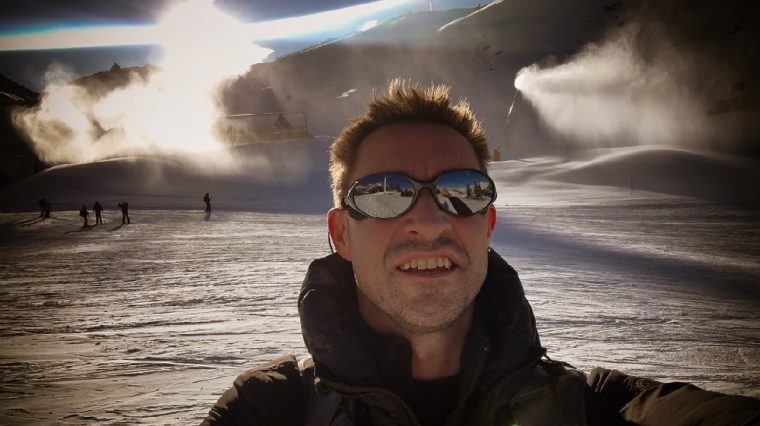
This image has an empty alt attribute; its file name is Snoman-snow-lances-760x426.jpg
SNOman in front of two of the many snow making lances in Val Thorens

How Does Snowmaking Work?

There’s no way to explain this without getting a bit scientific, so trap in or just jump to the next paragraph.

Basically, natural snowflakes form really slowly in clouds (vapour deposition), but artificial snow forms through “heterogeneous nucleation” which is a much more rapid freezing of water droplets.

The “wet bulb temperature” combines air temperature and humidity to measure the cooling of the atmosphere and below -2.5°C (27.5°F) wet bulb temp, the water droplets can freeze during their short drop from a snow gun to the piste. When I look at the water leaving the gun at high pressure, I’m actually seeing it atomise into droplets (30-70 microns is smaller than a human hair), and they must freeze completely before landing.

The energy you need is not just cooling but also for the phase-change (from a liquid to a solid) = energy from ambient air temperature, evaporative cooling, increased surface area from atomisation, and from compressed air expansion (Joule-Thomson effect).

What Are the Main Types of Snow Cannon?

Fan Guns are most common and use internal compressors and powerful fans to launch water droplets up to 50 metres, which provideds enough “hang-time” for water to crystallise. At 1-2 kWh per cubic metre of snow, they still work when it’s not cold enough for a lance but cost €26,000-€32,000 each!

Lance Guns (Snow Sticks) are more energy-efficient, using 0.6-0.7 kWh per cubic metre of snow (half the energy of fan guns). The vertical aluminium tubes up to 12 metres high, use compressed air to create nucleation sites for water crystallisation. They’re more economical and quieter, but need quite complicated piped-air and produce lower-quality snow.

Automated Control Systems have massively improved efficiency and can reduce energy consumption by 30%, by making snow only when the conditions are spot on.

Do Chemicals Get Added To Make Snow?

Yes, snowmaking is often done at warmer temperatures by using “nucleating agents” like Snomax, which contains proteins from Pseudomonas syringae bacteria, and can raise the working temperature to -0.6°C and increase snow by 40-50%. The bacteria’s proteins are used like tiny templates for ice crystals to form on and they can make up to 100,000 times more nucleation sites than untreated water.

New innovations include feldspar minerals tested in Spain claims 30% energy savings and operation at temperatures 1-1.5°C warmer, because the minerals mimic a natural cloud nucleation.
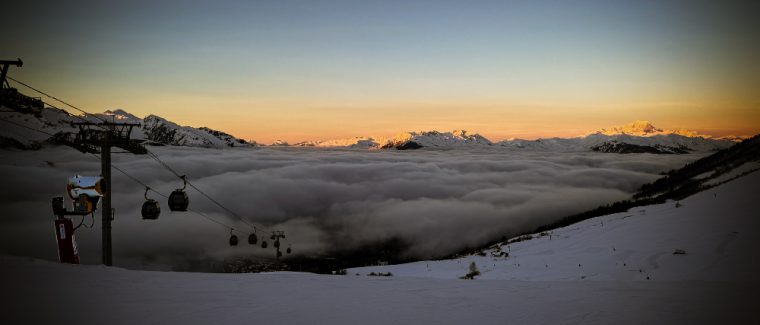
This image has an empty alt attribute; its file name is snow-cannon-sunset-760x325.jpg
A big snow cannon waits in the sunset for colder night time temperatures in Alpe d’Huez

Who Invented Artificial Snow?

Was Snowmaking Discovered by Accident?

Yes, a Canadian researcher Dr. Ray Ringer was studying ice on jet engines in the 1940’s when his team’s attempt to recreate icing accidentally made snow. Apart from clogging their wind tunnel this amazong discovery laid the foundation for commercial snowmaking, although Ringer never tried to patent it.

Snowmaking became commercial in 1950 when Wayne Pierce, Art Hunt and Dave Richey of TEY Manufacturing made the first snow-making machine using a paint spray compressor, garden hose, and spray nozzle. In December of 1949 they had secretly installed a prototype at Mohawk Mountain in Connecticut and created the world’s first ski area with artificial snow.

From the 50’s to 80’s Snow Making Became Mainstream

The Tropeano brothers Joe and Phil of Larchmont Engineering made irrigation equipment before Phil discovered snowmaking on 22 December 1950 while testing frost protection systems for orange groves. Their company bought TEY’s patents and began production and sales to US ski areas.

Consecutive poor snow seasons in the late 80’s (I’m old enough to remember those) proved that snowmaking was essential for many resorts to survive and so many more bought snow cannons.

Is Snow Production becoming more High Tech?

I don’t remember seeing snow guns when learning to ski in the 80’s but there were definitely more in the 90’s when computer control came to snowmaking and reduced labour costs while doubling snow productivity. The newest systems I see in the last few years use weather forecasting, real-time monitoring and optimisation, and can even make snow at temperatures up to 25°C (77°F) using refrigeration. The 2022 Beijing Winter Olympics relied almost entirely on artificial snow.

Which Ski Areas Depend On Artificial Snow The Most?

North America has most with 87% of US resorts using snowmaking – the Mid-Atlantic and Midwest regions have 98% of pistes covered and, without artificial snow, these ski areas couldn’t survive. Canada’s resorts consume 43.4 million cubic metres of water annually, producing 42 million cubic metres of snow, but generating 130,095 tonnes of CO2 emissions.

European Alps ski resorts vary quite a bit and I can see it when skiing different countries – Italy is 90% dependent, followed by Austria (70%), Switzerland (53%), France (37%). These differences are partly about cultural attitudes toward snowmaking (more of my friend ski industry pals are agin it) but the location of villages compared to the ski area also has a big effect – Austrian resorts spent €925 million in snowmaking tech due to their ski towns being often lower down the mountains, while Switzerland has spent €382 million with its mountain villages often higher up and enabling a longer season of ski-in / ski-out near to your accommodation.

How much Water and Energy do Snow Cannons use?

An average ski resort uses 2,800-4,200 cubic metres of water per hectare of slope covered and individual snow guns need 50 to 85 litres per minute, with large resorts like Heavenly using up to half a billion litres in dry years. Despite relying more on natural snow, the French Alps alone use 20-25 million cubic metres for snow making every year.

Snow lances use 0.6-0.7 kWh per cubic metre and fan guns needing 1-2 kWh and a European resort’s energy costs typically run to €400,000-€600,000 per season. In Canada snowmaking takes 478,000 MWh each year, which is enough to power 17,000 households and accounts for 50% of an average ski resort’s electricity bill.
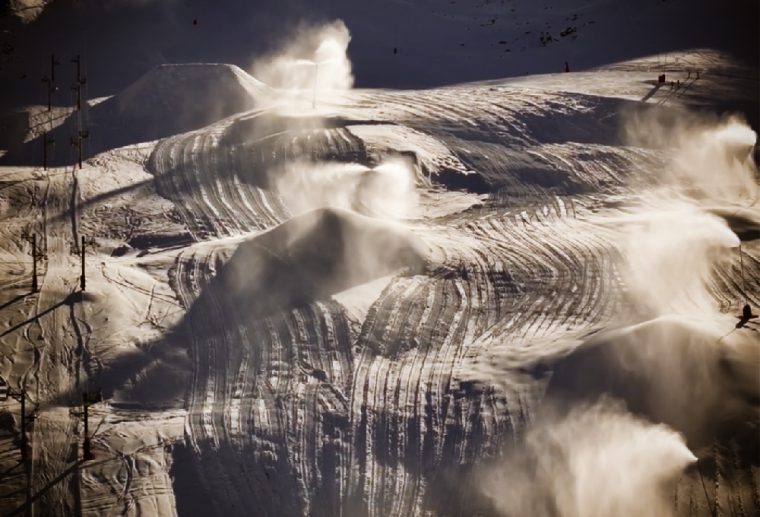
This image has an empty alt attribute; its file name is snow-guns-aerial-2-760x517.jpg
Snow guns pile up fresh snow for the park shapers to build features in Les Arcs

What Is Snowmaking’s Environmental Impact?

What is the Eco Footprint of Artificial Snow?

The dense compact snow (400-500 kg/m³ compared to 100 kg/m³ for natural powder) can alter mountain ecosystems because this artificial blanket delays spring melt by up to 2 or 3 weeks, disrupting plant growth cycles and reducing nitrogen uptake in the spring and autumn.

There are wildlife worries which include lower bird diversity near ski runs (I read about 835 documented deaths from ski lift collisions in the French Alps and Pyrenees in a 20 year study) and noise from snow guns which can disrupt animal behaviour, plus the man-made hydrology can affect the water systems. Soil under artificial snow can freeze deeper and remain biologically inactive longer, with some areas showing less vegetation recovery.

Are Snow Making Chemicals Dangerous?

Pseudomonas syringae proteins in Snomax remain fungicidal even after sterilisation, leading to bans in France since 2005, and I think new surfactants like “Drift” (allows higher temp snowmaking) have to raise questions about long-term ecological effects.

Is Artificial Snow Making becoming Greener?

Resorts using renewables like green electricity are reducing CO2 emissions by 95% and water recycling, gravity-fed designs all try to minimise waste. Some of our resorts are achieving carbon neutrality through big sustainability programmes and we’ve a guide to help you choose one of the most environmentally friendly ski resorts for your next skiing vacation.

What’s The Difference Between Natural And Artificial Snow?

Under a microscope each natural snowflake is a unique and complicated six-sided shape with delicate branches made of 90-95% air. Artificial snow is simple frozen spheres which are dense and uniform and just 70% air. These basic differences are what alters the skiing experience when you and I slide down the slopes.

Natural snow forms through “vapour deposition” falling through several kilometres of the atmosphere which allows complex crystal growth, whereas artificial snow freezes in seconds as it falls 25 metres or less creating what scientists call “frozen droplets” rather than proper snow crystals. This is why artificial snow has twice the density and three times the durability of natural pow.

Is Artificial Snow Different to Ski or Snowboard on?

Yes, for skiers and snowboarders, these differences create quite different feelings to ride on with natural snow being softer and more forgiving but artificial being easier to learn on despite falls being harder. I love natural powder for the floating feeling that makes epic ski days but artificial snow is consistent and lasts longer – sure it’s harder under skis, harder in crashes, and transforms into ice faster when there’s lots of traffic, but it keeps us skiing well into April!

I’ve noticed beginners often find groomed artificial snow easier for learning on because its predictable, and some advanced skiers do like artificial snow’s superior edge grip for high-speed carving but I generally prefer the dynamic variety of natural snow. The terrain-park builders in Tignes love artificial snow’s durability for jump construction and racing depends on artificial snow because the consistent, hard surface provides fair competition and withstands repeated runs. In fact race organisers add water to natural snow to create the icy conditions that allow maximum speed.
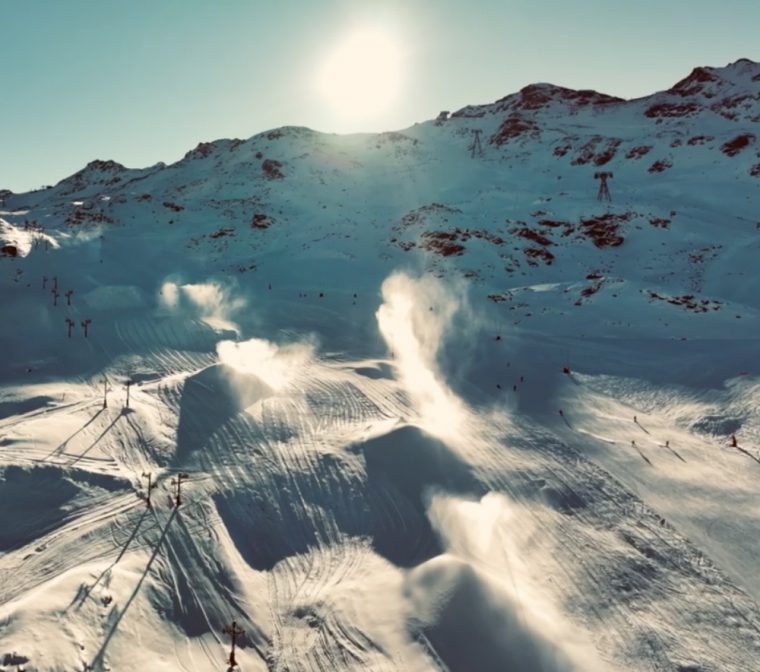
This image has an empty alt attribute; its file name is snowpark-artifical-snowmaking-760x672.jpg
Daytime snow making at the side of the piste keeps skiers drier

What Does Artificial Snow Production Cost?

The New Price of Winter

Installing big snowmaking kit is serious money with complete systems costing between €450,000 to €5 million depending on size and the local climate. Vail Resorts has spent a whopping $100 million across all their ski areas.

What is the ROI of Artificial Snow?

Of course extending the season is the main benefit for a ski resort because adding 5 to 12 operating days to the winter can include holiday periods like Christmas and Easter. Winter Park achieved 200+ day seasons after major snowmaking investments, compared to the regional average of 127 days. Studies show ski resorts would lose $1.07 billion annually without artificial snow and that low-snow years reduce economic activity by $1 billion.

Snowmaking Tech Innovation And Climate Change

What are the Next-Gen Snow Production Systems?

TechnoAlpin’s SnowFactory produces snow at temperatures up to 25°C (77°F) using containerised refrigeration units, which uses five times the energy but makes snow regardless of climate for lower-elevation resorts and warmer temperatures. New nozzle designs and variable-flow tech is trying to squeeze more efficiency from each litre of water and kilowatt of power.

Climate Change Adaptation Strategies of Making Snow

The numbers are sobering when with under 2°C warming, 53% of European ski resorts face “very high risk” even with snowmaking. At 4°C warming, that rises to 98%. Most of our ski resorts are very high-altitude but those below 1,500 metres may become unviable for winter sports regardless of snowmaking. Cloud seeding tests in Colorado generated 5-15% additional snowfall per storm and snow farming (storing snow through summer) saves 80%, but these are really expensive and I feel uncomfortable about changing weather on purpose.

Snow Quality Control and Efficiency of Making it

Ski areas target specific densities around 400-500 kg/m³ for base layers, 250-300 kg/m³ for skiing surfaces, but this varies by temp and humidity, so automated systems maintain quality by adjusting water-air ratios in real-time based on atmospheric conditions.  Water recycling can capture spring melt for next season’s production and better energy management includes load-shedding during peak demand and utilising off-peak rates.
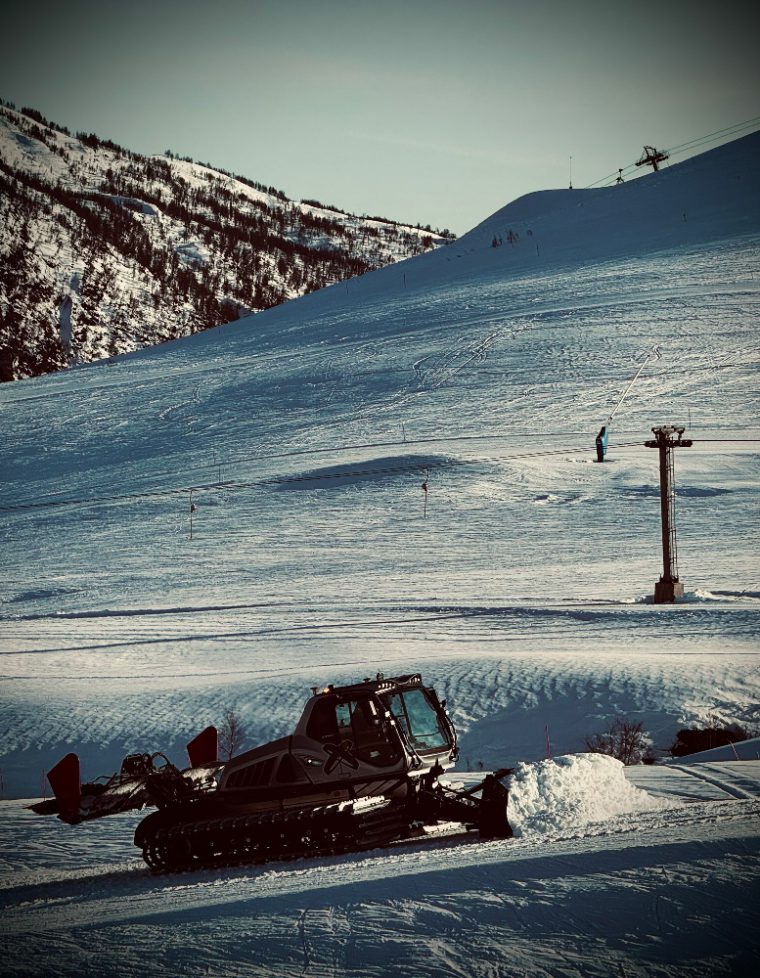
This image has an empty alt attribute; its file name is piste-basher-grooming-snow-760x978.jpg
A piste basher grooming freshly made snow onto the piste we skied in Norway

My Advice For Making the Most of Artificial Snow

What’s the Best Equipment and Technique For Artificial Snow?

Basically you need to adapt, because sharp edges become essential when the hard surface needs more edge control, more frequent waxing combats the increased friction from the granular surface and you might even want stiffer skis.

Reading the Mountain

You can learn to identify snow conditions visually because new artificial snow looks bright white and grainy, then artificial snow becomes greyer and icier as it ages. I recommend the usual “spring conditions” advice of carving on the groomers in the morning and then go looking for north-facing slopes and areas with afternoon shade after lunch… or just do as I do and ski a long fast morning then hit the après starting with a late lunch!

More: See the top 10 most snow ski resorts in the world or browse all ski holidays in them
Ultimate Guide to Alpe d’Huez Après Ski Bars & Nightlife

We need to talk about Alpe d’Huez après ski, because honestly, this place can get quite wild. And I mean that in the best possible way.

I’ve been coming here for years, watching La Folie Douce grow from a decent mountain restaurant into an absolute circus at 2,000m. Seen grown men utterly defeated trying to get a table at Smithy’s on a Thursday. Watched millionaires and seasonaires become best mates over €6 beers at 2am. This resort… it just does something to people. Like so many SNO clients, I absolutely love Alpe d’Huez ski holidays.

Après ski done properly in Alpe d’Huez

Here’s the thing about Alpe d’Huez – it doesn’t try to be Val d’Isère. Instead, you get this brilliant mess of French mountain culture crashed into by waves of Brits, Dutch and even French who really, REALLY know how to party. Chuck in 300 days of sunshine (yes, actually 300), and lifts that run late enough to keep the mountain venues pumping? Recipe for chaos. Beautiful, beautiful chaos.

The lay of the land (because this place is confusing as hell)

Alpe d’Huez sprawls. Properly sprawls. Not like those neat little resorts where everything’s on one street.

You’ve got the old town – Vieil Alpe – where the magic happens. Smithy’s, L’Igloo, Les Caves… all within stumbling distance. Then there’s the main drag with its weird mix of sports bars and posh hotels. But here’s what most people miss: the villages. Vaujany, Oz, Auris, Villard-Reculas. Each one’s got its own thing going on. Some brilliant, some… well, let’s just say Villard-Reculas isn’t where you go to rage.

The Brits basically own Thursday nights. The Dutch go hard all week. The Scandinavians? They’re the ones still standing at 5am, smiling. And the French locals just shake their heads and pour another wine, occasionally joining in when they think nobody’s watching.

Mountain mayhem: Where sensible skiing goes to die

La Folie Douce – the beautiful disaster

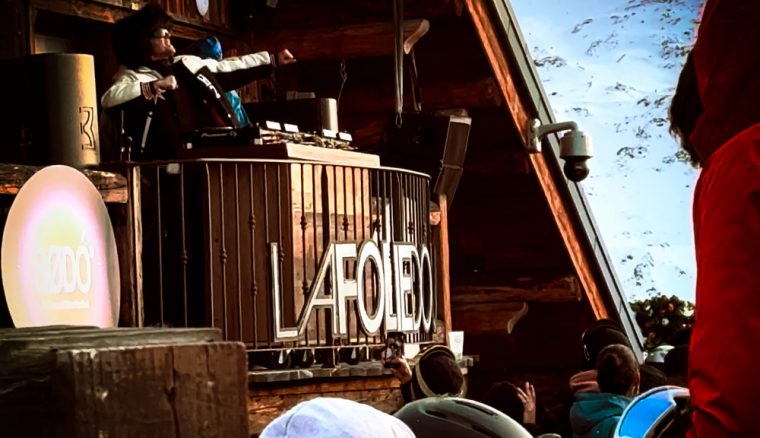
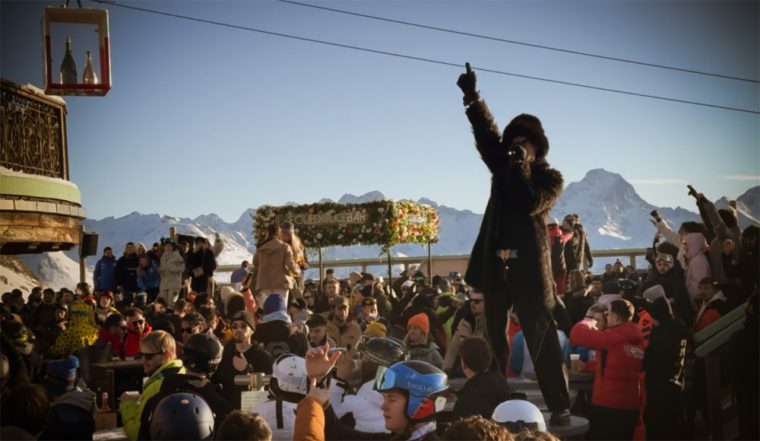
Jesus Christ, where do I even start with La Folie Douce? Top of the Marmottes 1 lift. Opens at 9am if you’re one of those who wants breakfast with a view, but let’s be real… you come here for the madness from 2:30pm.

Picture 3,000 people… on a mountain… in ski boots… drinking champagne (or beer for most of us) like it’s water. Professional dancers do backflips over your head while you’re trying not to spill your €15 cocktail or €10 almost-pint. DJs who wouldn’t look out of place in Ibiza. And everyone – EVERYONE – ends up on the tables.

When a 70-year-old Swiss banker sprays a €400 bottle of champagne over a hen party from Newcastle, nobody will bat an eyelid. That’s just Tuesday at La Folie Douce.

My SNO Pro Tip is to book a VIP table if you’re flush or arrive by 2pm. By 3pm it’s carnage trying to get served. And watching people ski down after is comedy gold. That blue run under Marmottes has seen some things, let me tell you.

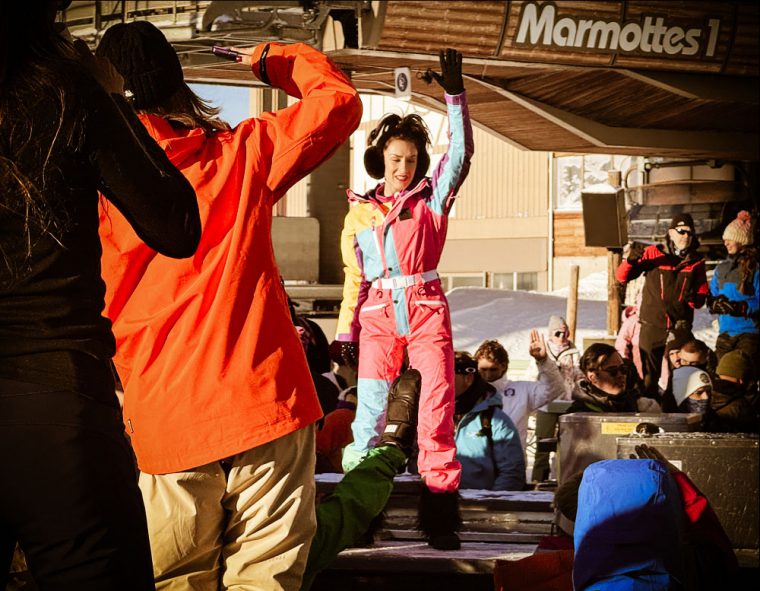
An 80’s onesie fits right in, dancing on the tables at La Folie Douce

The other mountain spots in Alpe d’Huez

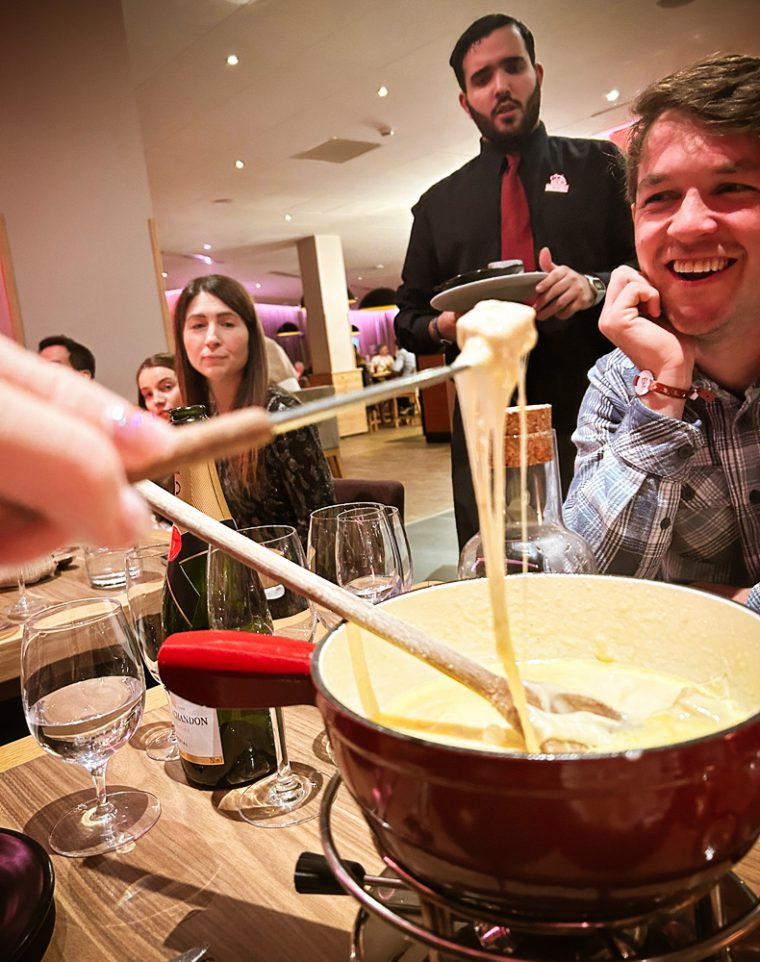
La Cabane – now this is clever. Smaller, more chilled, but here’s the kicker: they’ll drag you back up the mountain in a piste basher for dinner. Costs a fortune but sitting under the stars, half-cut, eating fondue? Worth every centime.

Sporting Bar – forget the mountain location, this sits by the ice rink in town but you can ski to it. Sort of. Used to be where the French ski team hung out. Now it’s all leather chairs and 70s vibes, which sounds like a weird combination but it works. The owner seems to be mates with half the celebrities in France, so you might spot someone famous. Or at least someone who thinks they’re famous.

Old town is where dignity goes to die

Smithy’s Tavern – the institution

25 years. TWENTY-FIVE YEARS this place has been destroying livers (and marriages?). Walk in on a dead Tuesday and you’d think “nice little pub” but, come Thursday night, it’s a different animal.

6pm: decent covers band starts
8pm: food’s still edible, crowd’s warming up
10pm: the table dancing starts (yes, ON the tables you’re eating from)
Midnight: absolute bedlam
2am: stumble downstairs to L’Igloo

I once saw an exec and a lifty have a dance-off on the bar. The lifty won. Obviously.

Another SNO Pro Tip is to book dinner for 6:30pm, claim your table, and then never leave. The Tex-Mex is actually decent (not guaranteed in the Alps) and soaks up the damage.

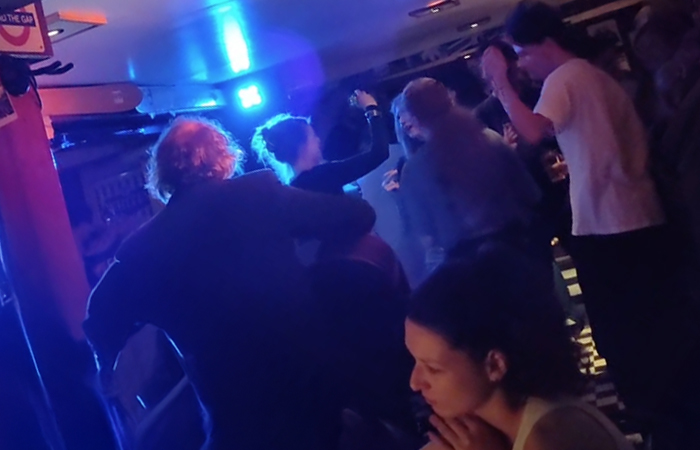
Greg from SNO in The Underground nightspot, Alpe d’Huez

Going underground

Zoo Bar – connected to Smithy’s, tiny, sweaty, brilliant. Where the seasonaires go when they can’t face the madness upstairs. Pool table’s wonky, speakers crackle, drinks are strong. Perfect.

Underground Bar – different place, despite the name. They’ve gone full London Transport theme. Bit naff? Sure (so am I?) but on a snowy Tuesday when there’s a reggae band playing and you’re on your fourth pint, surrounded by Mind the Gap signs? Somehow it works. Plus their terrace gets sun all afternoon and beers are almost reasonable.

When midnight isn’t late enough

L’Igloo – opens at midnight, right when Smithy’s is kicking out. A proper nightclub with foam parties, R&B nights, drinks that’ll make your eyes water (€12 for vodka Red Bull? You’re having a laugh). But when it’s 2am and you’re in a foam-covered mess with 500 other idiots? Magic.

Les Caves de l’Alpe – free entry. FREE ENTRY. In a ski resort. Mental. Opens midnight, closes when the last person crawls out (usually around 5am). More electronic, younger crowd, zero pretension. Just people who really, really don’t want the night to end.

Main street nightlife madness in Alpe d’Huez

FreeRide Bar is capitalism gone wild

Stock market prices for drinks. Sounds stupid. IS stupid. But also genius. Screens everywhere showing real-time prices based on what people are ordering.

I’ve seen Kronenbourg hit €2. I’ve also seen some muppet pay €200 for champagne because everyone ordered it at once. The toilet slide’s a lawsuit waiting to happen but watching drunk people attempt it? Priceless.

Open every single day. Locals love it and there’s a mix of everyone. Pool tables that actually work. Sports on big screens. What more do you want?

The posh bits

Sphere Bar – does live music, karaoke Thursdays (do you like hearing “Sweet Caroline” murdered?), decent terrace. Not trying too hard, which is refreshing.

Hotel Daria-I-Nor – this is where you take a date you’re trying to impress. Or where you go when Smithy’s has broken you. Proper cocktails, jazz some nights, prices that’ll make you cry. But sometimes you need a martini made by someone who knows what they’re doing.

Le Pic Blanc and Les Grandes Rousses – hotel bars for people who ski in fur coats. You know the type. Good for one expensive drink while pretending you belong.

Village escapes where the A-d’H locals actually drink

Vaujany for me is the surprise package

The 20-minute cable car ride is called the James Bond Gondola because, well, James Bond. Suddenly you’re in a proper French village that happens to have cracking nightlife.

The HQ – newish, but already the heart of the village. 4pm onwards, everyone piles in. Ski instructors, locals, confused tourists who took the wrong lift. Good beer selection, sports on, atmosphere building from 7pm when the instructors have had a couple of hours supping after teaching little Tarquin how to pizza.

IDA’s Bar – in the V hotel but lets outsiders in. Happy hour at 5pm, cocktails that don’t taste like sugar water. Opens 8am for proper coffee, bless them.

Stief’s – Austrian-run, meat-heavy, beer-focused. So I would ask “what’s not to love?”

Oz-en-Oisans is small and really sweet but more limited

Family resort vibes. Ozzie Bar on the slopes stays open till 1am. Le Perce Neige in the village has a very local flavour. They’ve got their own Underground Bar but it’s not the same. Still, better than nothing.

Auris-en-Oisans is actually quite good

Pump and Drink – self-service beer taps. Load money on a card, pour your own. A disaster? Yes, potentially. Is it brilliant? Absolutely, especially during the Six Nations rugby.

Bar Bichette – a proper local favourite with a sunny terrace, aperitif boards that aren’t just supermarket cheese, and occasionally locals who’ll chat (if you make a really big effort with your French).

Villard-Reculas – ermm…

Look, it’s lovely. Traditional. Authentic. But nightlife? Le Comptoir du Villard is basically a shop with a bar. La Bergerie does drinks till 5pm. That’s your lot. Come here for the skiing and the views, not the parties.

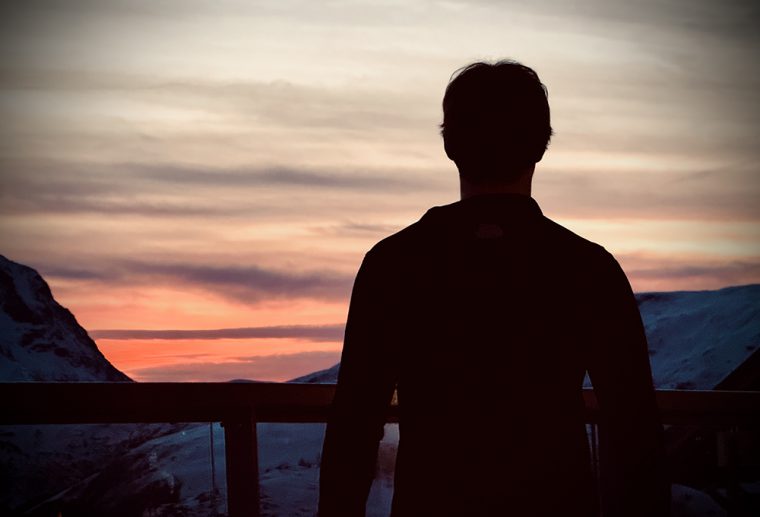
Is that sunset or sunrise? Jimmy from SNO enjoying the view

Alpe d’Huez nightlife survival guide and how not to die

Getting around late at night worse for wear

The shuttle bus stops early and taxis are rare and expensive, but old town to new town involves icy paths after midnight. I’ve seen too many people stack it. Just pay for the bloody taxi. Your ankles will thank you.

The timeline of destruction

3-5pm: Mountain venues or sunny terraces
5-7pm: Happy hours in town, eat something for god’s sake
7-10pm: Dinner, bar hopping, building momentum
10pm-midnight: Peak carnage at Smithy’s etc
Midnight-3am: Nightclub territory
3-5am: Les Caves, home or hospital

What it actually costs

Let’s be honest:

  • Tight budget: €30-50 (happy hours, FreeRide crashes, free-entry venues)
  • Normal: €60-100 (you’re buying rounds, aren’t you?)
  • Showing off: €150+ (champagne at altitude, hotel bars, “I’ll get this one”)

Mountain prices hurt. Beer’s €5-8 in town, €7-11 up high. Cocktails €10-18. Club entry €10-20 with a drink. It adds up fast. It always does.

When to come

December: quiet start, weekends only
January: mayhem, but great snow so not everyone’s out until dawn
February: half-term is kids everywhere daytime, parents going mental at night
March: sweet spot – weather, crowds, atmosphere
April: spring vibes, shorter hours some places but sun terraces make up for it

Your Alpe d’Huez night out, sorted

Classic carnage route

La Folie Douce at 2:30pm. Ski down (carefully) around 4pm. Sphere for happy hour recovery. Dinner at Bar l’Indiana (sports on, food’s decent). Smithy’s by 9pm for the band. Stay till you’re on the tables. Zoo Bar for contrast. L’Igloo till whenever then kebab and Club Bed.

Classy version

Sunset cocktails at Daria-I-Nor. Dinner at Le Pic Blanc (book ahead, wear actual clothes). La Bamboche for wine and chat. Midnight appearance at Les Caves because you’re not THAT classy. Home by 2am feeling smug.

Local’s special

Skip the obvious. Cable car to Vaujany. HQ for beers and chat. Dinner at Shred (burgers AND ski tuning, I kid you not). Back to Alpe d’Huez for Underground Bar’s live music. FreeRide when prices crash. Bed before 3am like a responsible adult.

Broke but keen

Underground terrace afternoon (cheapest pints). Hunt happy hours like your life depends on it. Smithy’s before 9pm for deals. Nurse beers at Zoo. Les Caves with one drink. Make friends, hope they’re buying.

Why Alpe d’Huez après and nightlife hits different

Look, it’s not Val Thorens consistent messiness. Not Courchevel’s champagne-soaked showing off. It’s weirder than that. More varied. You can have a €4 beer with a liftie then bump into a celebrity at the hotel bar. You can party on a mountain then find yourself in a traditional village pub an hour later.

Yeah, it’s spread out but when it all clicks – sun shining, drinks flowing, tables being danced on, mountains glowing pink at sunset – there’s nowhere like it.

Just pace yourself. Those 300 days of sunshine can mean brutal hangovers. The altitude doesn’t help and that fourth tequila at 2,000m? It’s a poor choice, but you’ll choose it anyway…

Because that’s what Alpe d’Huez does to people. It takes perfectly sensible adults and turns them into altitude-drunk idiots dancing on tables to “Mr. Brightside” at 3am.

And honestly, would we have it any other way?

Learn more about Alpe d’Huez ski holidays, or browse the best package deals and call our friendly experts 020 7770 6888 for help finding your perfect trip to the sunniest après ski resort in the Alpes.

The Ultimate Beginner Skier’s Guide To Alpe d’Huez

You could be forgiven for not considering Alpe d’Huez for a beginner ski holiday. It’s got the legendary Sarenne black run and yes, some famously challenging off-piste. But tucked away in this high-altitude playground is one of France’s best-kept secrets for beginners. After watching countless first-timers transform into decent skiers here, I’m convinced it’s one of the best resorts for beginners learning to ski in France. Here I’ll explain why you should pick Europe’s sunniest ski resort to learn to ski in.

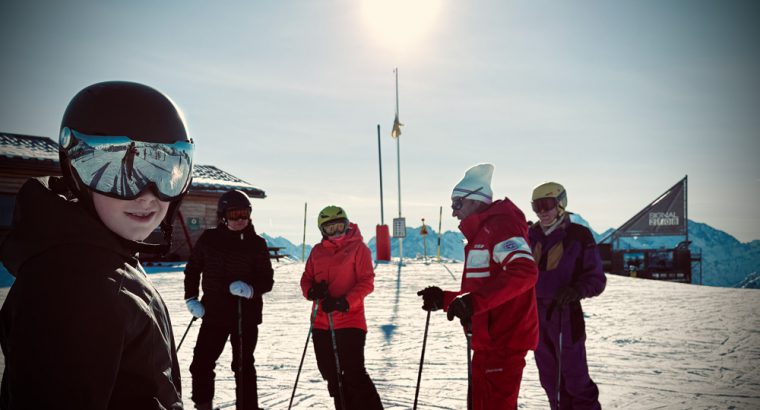
Charlie with ESF ski coach in Alpe d’Huez

The magic starts with those 300 days of sunshine. As a novice, being able to see where you’re going makes all the difference. No squinting through flat light or sleet here – just clear, bright days that show every bump and turn. Add in 41 green runs (that’s more than most resorts have blues), four completely free lifts, and beginner passes at just €29 a day, and you’ve got an affordable place to learn to ski too.

Why Alpe d’Huez Works So Well for Beginners

At 1,860m you have two massive central learning areas, with Les Bergers spread out in the heart of the resort, and the DMC zone in a quieter sector. Between them there is more beginner-friendly terrain than you need in your first week.
The free lifts are no gimmick – Petit Rif Nel, both Ecoles drags and the Grenouilles rope tow save our families hundreds in the first couple of days. When you’re ready to ski further, the €29 beginner lift-pass opens up all lifts except Alpauris and Marmottes 1 (you don’t need these in your first few weeks).

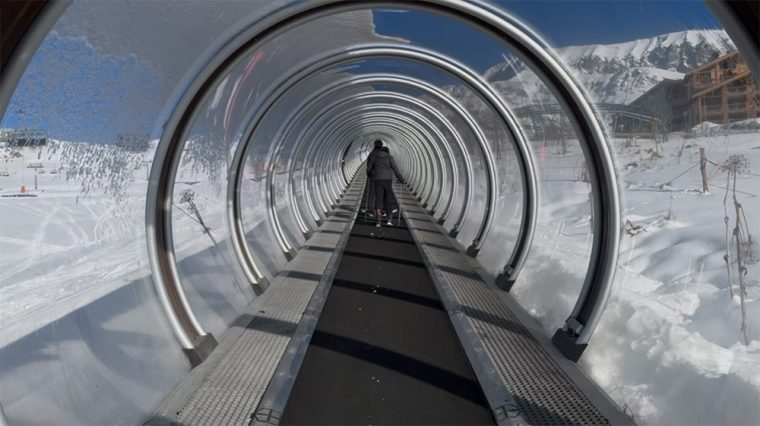
Jimmy and Charlie inside the covered magic carpet ski lift

The Learning Zones Make a BIG Difference

Les Bergers is Where Most Beginners Start Their Journey

Les Bergers is a huge bowl of gentle slopes, completely separate from the main ski traffic, with 12 green runs and 7 easy blues when you’re ready. The Romains six-person chairlift is a much easier way to start than a drag lift, and I particularly love how Les Bergers is designed. The slopes all funnel debutantes back to the base, so getting lost is unlikely. Despite being a bit older, my kids loved the sheep-themed boardercross run called Chez Roger which has gentle bumps and makes learning fun.

The ESF ski school has their main children’s village here, and the Marmotte bubble lift connects directly to the higher slopes.

DMC is An Alternative That’s Often a Bit Quieter

The DMC area has seven long, wide green runs served by the DMC gondola and the Jeux high-speed chair. The Kids Park des Sagnes sits at the bottom, where kids can try their first mini-jumps. I also recommend DMC to adult beginners who want a bit more space to learn in.

The Alpe d’huez Hidden Gems

Villard Reculas is accessible via a quick gondola ride, and has its own little beginner area with a magic carpet and the “Escargot” (snail) mini-lift.

For the Auris sector you need to brave the “scare chair” (the Alpauris lift that looks scary but is not), but has six green runs winding through the trees. The Jacques le Bûcheron trail is themed around a woodcutter with carved wooden animals hidden in the forest. On a powder day, when everyone else is looking for fresh tracks up high, Auris can be completely untouched and silent.

Ski Schools in Alpe d’Huez

The ESF (École du Ski Français) is biggest with 300+ instructors, and most speak excellent English. They’ve been teaching here since 1936 (collectively) so they know every inch of the mountain. Check out “ride-alongs with Cookie” on Youtube for really nice content from a Brit who is also ESF instructor.

British coach Stuart Adamson’s Masterclass school is exceptional. Stuart’s been here 20 years and trains other instructors for BASI. Easiski has similar British instruction with really flexible booking.

Group lessons start from €35 a day, but my money-saving tip is book the afternoon sessions, which are €5-10 cheaper.

For kids, the ESF’s Piou-Piou Club takes them from age 2.5. They’ve got a really detailed progression system with different coloured bibs, medal ceremonies and little races at the end of the week.
Lots of rest stops keep learning fun

Your First (Realistic) Week Learning to Ski in Alpe d’Huez

Week One is About Finding Your Feet

Day 1-2 you’ll probably spend on the free lifts after initially doing the sidestep up the slope, snowplough down. By day two, you’ll be managing the Petit Rif Nel rope tow (mostly) without falling off.

Day 3-4 is time to buy the beginner’s lift pass. The wide greens of Les Bergers, where Piste des Poussins (the chicks’ run) is usually where novices have their “I’m actually skiing!” moment. You’ll still be snowploughing, but covering a lot more distance.

Day 5-6 is usually when leaners venture onto the first easy blue runs like Chevreuils or Champoutery.

Jim takes the bubble up to more challenging slopes

Week Two Is For Building Confidence

By week two (whether that’s the same holiday or your next trip), the whole mountain starts opening up to beginnerrs. Opened in 2019, Marcel’s Farm is 2km of fun for kids with sound effects and cartoon animals.

The tree-lined runs at Auris become manageable, and even the blue run down to Huez village.

Some learners even start eyeing up the Sarenne by the end of week two. It’s marked as a black run but is honestly easier than many reds – it’s just very, very long at 16km. We can arrange the famous “Moonlight Sarenne” for our guests, which is a guided ski down after sunset with ski patrol, after some gentle après ski in a lodge near the top.

Jimmy by ski-in ski-out slopeside chalet in Alpe d’Huez

Where to Stay for Maximum Slope Time

Location matters more for beginners than any other level of skier, because you don’t want to be trekking across resort in ski boots every morning. Les Bergers district puts you literally on the doorstep of the main learning area and we have terrific accommodation from luxury to budget.

The Daria-I Nor is five stars, ski-in/ski-out, with large family suites and kids’ club. At the other end of the scale, Pierre & Vacances Les Bergers offers great value. It’s “4-star” (French apartment star ratings are generous) but you’re 100m from the lifts and it’s got Family Plus certification, meaning guaranteed cots, highchairs, and family friendly atmos.

L’Ours Blanc is amazing value and our most popular for beginners is Club Med Alpe d’Huez. The all-inclusive board basis and free lift-pass means you have no faff and can focus on learning to ski and holidaying. Huez village looks charming, but you need to ski a blue run to get back there, so it’s less ideal for day one and two.

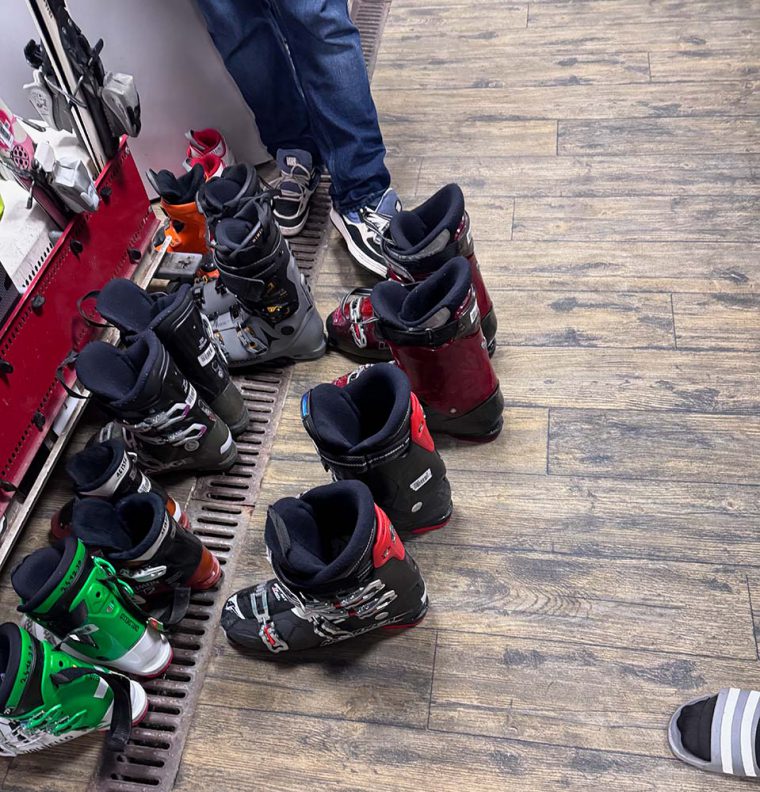
Take time on boot fitting – it can make or break your learn-to-ski experience

Practicalities That Make Your First Ski Trip a Success

Do You Need a Lift Pass for Beginner Skiers in Alpe d’huez?

Start with the free lifts (for at least two days) then, once you’re ready, buy the €29 beginner pass (you can only buy it in resort). Family passes are best value with four people, and kids under five ski free.

How to Choose Ski/Board and Boot Hire

Book equipment rental before you go (we often have BOGOF or discounts when you book your holiday). Basic beginner skis and boots are what to choose, because performance skis are not good to learn on. Our friendly team will ensure you pick short, soft, forgiving planks and I would say you must get a helmet.

What is a Realistic Budget for Beginner Ski Trip to Alpe d’Huez?

A budget week will cost between £700-£1,500 per person all in depending on time of year (self-catering apartment, beginner passes, standard equipment). Mid-range in a posher hotel, with a few meals out, maybe some spa time might be £1,400-£2,500. You can get affordable luxury from £2,200-£3,600 in more a salubrious digs (we also do a helicopter transfer to ski in Les 2 Alpes for a day which is really fun).

Things to Do Beyond The Slopes

The Palais des Sports is a big swimming complex with slides, climbing wall, and mini golf.

I would strongly recommend keeping the après ski mellow when you’re learning. The Sporting does family-friendly early sessions with games and activities 5-7pm whereas La Folie Douce is intense, does not allow kids after 2pm and does not have a beginner-friendly ski down after it closes. The Sphere Bar does excellent chocolat chaud and has a sun terrace to watch the sunset.

Non-skiers aren’t forgotten and the pedestrian pass (€29/day) gets you up the mountain for lunch with the skiers. The ice caves at 2,700m are accessible to anyone, and there’s fat biking, snowshoeing, and a Thursday night market in the old town.

A rare cloudy day is still stunning

Why Start Your Alpine Adventure Here in Alpe d’Huez

I think Alpe d’Huez creates confident skiers through having really nice spaces to learn, and more sunny days than anywhere else in the Alps (a statistical fact). Whether you’re bringing tiny ones for their first taste of snow or taking the plunge yourself, I can’t recommend this place enough.

To book your perfect first ski trip, call our friendly experts on 020 7770 6888 for advice, read more about Alpe d’Huez ski holidays or browse the best package deals.

The Ultimate Guide to Val Thorens Après Ski Bars and Nightlife

Where Altitude Meets Attitude, this is Val Thorens After Dark

At 4pm on a bluebird Thursday, after three Mutzig beers at La Folie Douce, dancing on a table with a Danish stag party, a saxophonist in gorilla suit blasts house music at 2,600m altitude, with the entire Trois Vallées stretched below in panoramic glory… this is Val Thorens après ski. After 15 years of the SNO team systematically researching the world’s best apres ski resorts from St Anton to Zermatt, I can confidently say few places in the Alps deliver quite like this.

Val Thorens ski holidays put you in a 24-hour party ecosystem at the top of the world. There are 40+ bars and clubs in a resort you can walk across in 20 minutes. Scandinavian drinking culture collides with French sophistication and British groups to make this town (in)famous.

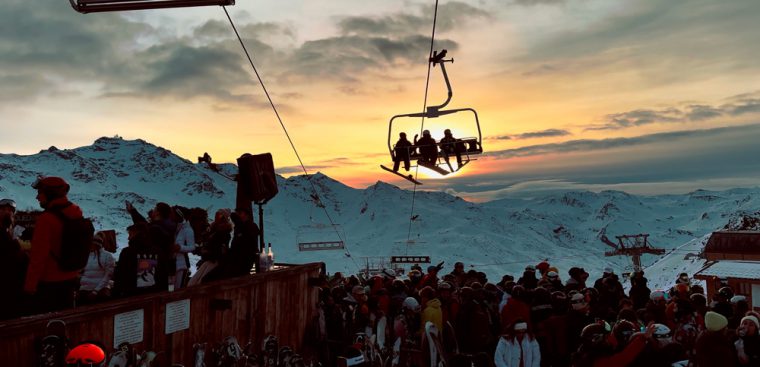
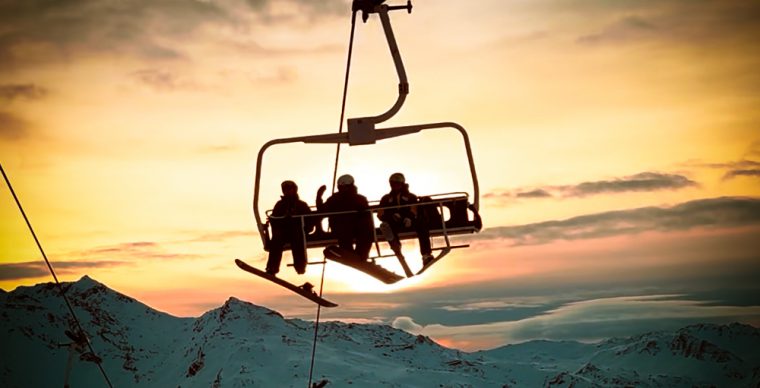
The SNO team arrive by chair lift for sunset après ski at La Folie Douce in Val Thorens

Why Val Thorens Après Ski is Famous in the Alps

Val Thorens centre at 2,300m is Europe’s highest ski resort, with one of the longest ski seasons. While Courchevel opens later in December and Méribel closes earlier in April, Val Thorens keeps the party in the peaks going from November to May. 

What sets Val Thorens apart is the variety of nightlife – in barely a 100 meters walk down Rue de Gébroulaz, there’s Scandinavian singalongs, British pub quizzes, French wine bars, and an international mega-club. From €7.50 pints at Happy Hour to €450 magnums of champagne at VIP tables – there’s something for every budget.

I love the car-free compact centre – no designated drivers, no expensive taxis, no lengthy stumbles home. The compact layout means you’re never more than a five-minute stumble from the next adventure. Compare that to sprawling Courchevel where taxi fares between villages require a mortgage.

Yes, it’s still expensive (pints €8-12, cocktails from €12) but you’re at the highest party in Europe, surrounded by people from 30+ nationalities and world-class DJs.

Understanding the Layout of Val Thorens Nightlife

Rue de Gébroulaz is the main pedestrianized street with 70% of the bars. Malaysia sits underneath, Klub Summit above, and this is where you should head as the sun sets.

The Place de Caron forms the resort’s heart, with underground faves like Malaysia. The Temples area at the lower end has The Shamrock and various hotel bars that are slightly quieter.

On the mountain après is accessed by the ski lifts. La Folie Douce sits beneath the Plein Sud and Pionniers chairlifts, 360 Bar is by the Moraine lift, and brand-new Caron 3200 requires the Cime Caron cable car (€13 for pedestrian access but amazing sunset views).

In white-out conditions mountain venues become inaccessible, and underground Malaysia or cozy hotel bars like Le Roy are recommended.

The Mountain Madness of Slope-Side Après Ski

La Folie Douce Val Thorens is The Undisputed King

If après ski venues were royalty, La Folie Douce wears the crown – this bar is a phenomenon.

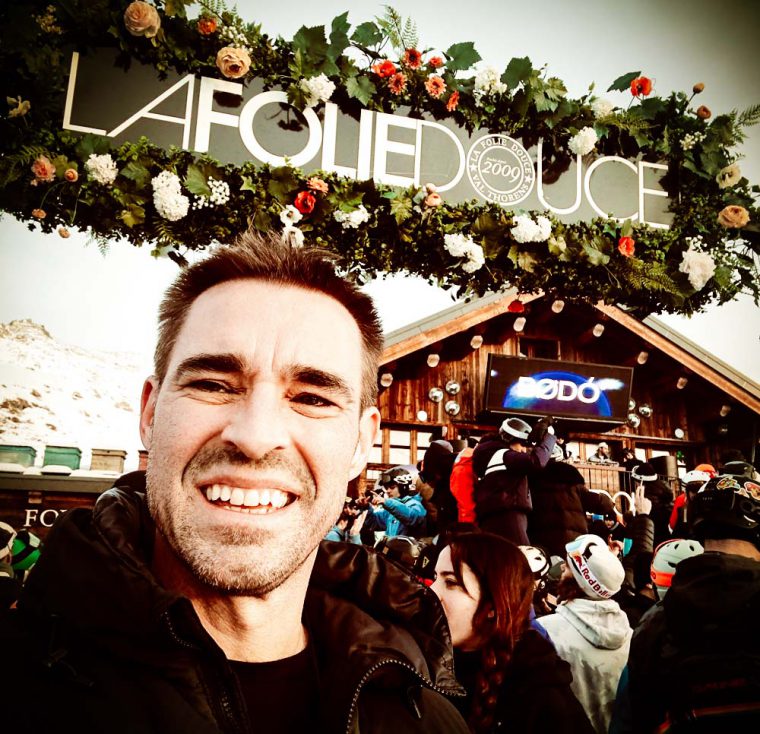
I’ve been to all eight Folie Douce venues across the Alps, and while Val d’Isere Folie might be the original, Val Thorens is now the most famous. I think the altitude creates natural euphoria, and the terrace catches afternoon sun. The crowd in VT is the most international and, from 2pm onwards, it’s the most fun place to be.

The SNO team likes to start lunch at La Fruitière (where William and Kate famously dined), move to drinks on the quieter upper terraces, then down to the main area when the dancing starts around 2pm. The production values are very high for a bar, with acrobats, pro dancers, sax wandering through the crowd, and tons of confetti.

The 18+ rule from 2pm means its not family-friendly, but you really don’t want to take your kids here! The street food station has a handy late-lunch for when you’ve skied since breakfast.

It’s pricey if you’re very thirsty, with beers from €10, €15 cocktails and €50+ for champagne. But I think the entertainment and atmosphere make it reasonable by Alpine standards. The blue run down Plein Sud is tough for beginners when heavily chopped up, so don’t drink too much of you’re a newbie.

SNOman already looking worse for wear at the Folie in VT

360 Bar is My Chilled Alternative

Up at 2,400m by the Moraine and Portette lifts, 360 Bar is La Folie Douce’s more laid-back cousin. On clear days you can see Mont Blanc from the “panoramic” terrace. It’s my favourite for sunset cocktails as the crowd is a bit more grown-up.

The easy ski down (unlike Folie Douce’s gauntlet of prone bodies) from 360 has multiple routes including the wide, gentle Portette trail. The music is laid-back and the food is good but a €5 entry sometimes applies (but includes a drink token).

NEW: Caron 3200 is Europe’s Highest Wine Bar

Brand new for 2024-25, was this architectural marvel at Val Thorens’ highest point. At 3,200m, it’s literally on top of the world with 360° views from Mont Blanc to the Vanoise glaciers.

More sophisticated Caron 3200 has a wine cellar stocking 200+ varieties. The rooftop bar opens for sunset sessions that Instagram FOMO pics are made of.

Pedestrian access via the Cime Caron cable car makes it a unique evening destination for meeting up with non-skiers in your group. I recommend booking a 4pm table for the sunset, then head down for dinner in resort.

It’s not cheap when you add €13 cable car to premium drinks prices, so €50 min for the visit. But where else can you drink Chasselas while standing higher than most Alpine peaks?

La Fruitière is (allegedly) Where Millionaires Mingle

Adjoined with La Folie Douce, La Fruitière is Val Thorens’ stab at gastronomic excellence. Is it really where Russian oligarchs share fondue with Silicon Valley CEOs while Royal protection officers scope the exits? Well the dairy theme sounds kitsch, but I like the wooden beams and copper vats etc. The food is really great but e.g. €65 for steak tartare… but it’s the best tartare at 2,600m.

The Heart of the Action: Main Resort Bars

The Best Live Music in Val Thorens

Saloon Bar is The Highest Rated in Reviews

TripAdvisor’s #1 nightlife spot in Val Thorens, and for once the internet got it right. I think the Saloon is a perfect sweet spot between après ski casualness and late-night “out out”.

Live bands Sunday to Friday from 5:30-6:30pm with good musicians. The happy hour (5-7pm) has terrific deals such as €5 pints and 2-for-1 cocktails. The cocktails are good, but I would suggest you ask how they make a“Lord Helmet” before ordering.

The DJ starts at 9pm and it’s rammed by 10pm Thursday-Saturday.

Café Snesko is for Scandinavian Shenanigans

Snesko is weird hygge, with flaming shots, beer towers and Danish drinking songs. I love the flaming shot ritual. Twenty Norwegians in matching sweaters, arms linked, downing flaming sambuca while singing a Viking war chant. Health and safety went skiing and never came back, so you might want to remove synthetic clothing before joining in!

It’s family-friendly only until 9pm when it transforms into Viking Valhalla.

British & Irish Corner

The Frog & Roastbeef is “The Highest Pub in Europe”

“The Frog” claims Europe’s highest pub status and is everything you want from a British pub abroad.

The Sunday roasts would make my Yorkshire grandma proud – recommended after a week of fondue and tartiflette. Sports coverage is comprehensive and they’ve somehow sourced proper British ales on tap (about €9 a pint). Live music is guitarists doing acoustic covers for relaxed background to conversation. The pub quiz on Wednesdays has prizes including a bar tab.

The Frog does get a bit packed during big matches so arrive early or accept standing room.

O’Connell’s Irish Pub is Exactly What You Expect

Every ski resort needs an Irish pub, and O’Connell’s is neither the best nor worst Irish pub in the Alps, but always good craic.  The central location makes it a natural meeting point and it’s the best place to watch Ireland rugby matches. The 2023 Grand Slam celebration saw rugby fans weeping into their Guinness.

The Shamrock Might be The Underdog’s Choice?

Hidden in the Temple building area, The Shamrock has been called scruffier, cheaper, and friendlier than O’Connell’s.  Happy hour from 5-8pm has €6 pints and the crowd is more seasonaire than tourist. We go for the pool table and darts (and cheaper Guiness).

The St. Patrick’s Day party at The Shamrock is the staff party with green beer and traditional music. Cash only when the card machine is “broken”.

Phat choons from the DJ keeps Val Thorens revellers dancing

Val Thorens Less Well Known

Rhum Box Where The Ski Instructor Sup

Behind El Gringo’s restaurant, Rhum Box is popular by word-of-mouth, with 30 flavoured rums.

Maximum 40 people creates proper bar atmosphere – from Place de Caron, head past El Gringo’s and look for the wooden door.

Wild and Savage is Where Boutique Meets Bar

Part clothing boutique, part cocktail bar, Wild and Savage is where Val Thorens’ meets Shoreditch.

The retail/bar hybrid sounds gimmicky but it’s entertaining to browse €200 hoodies while sipping cocktails.

The Best Val Thorens Nightclubs

Malaysia is Europe’s Highest “Mega-Club”

At 700m² with 2,500 capacity, this underground behemoth claims “biggest club in the Alps” status.

The main room has live bands until 1am then DJs take over with commercial crowd-pleasers to proper underground house.

Rudimental and Calvin Harris played here. So did Chase & Status. The VIP balcony gives you more breathing space but with a €300 minimum spend split between your group.

Klub Summit: The Alternative

Klub Summit positions itself as the cooler alternative to the “Highest nightclub in Europe” with a smaller size and music is housier than Malaysia (if you know your Disclosure from your David Guetta). The crowd is slightly older and better dressed.

Entry varies from €10-20 entry depending on the night and the dress code seems not enforced. Busiest 1-3am when Malaysia refugees arrive, and I think the upper bar does better cocktails.

Le Baramix combines Tapas and Techno

Baramix transitions from civilized tapas bar to underground club. You can start with Iberico ham at 8pm, and end with techno at 4am.

Downstairs becomes a nightclub and the best nights are Monday (Latino nights), Wednesday (reggae), and the busiest being weekends which are electronic.

The food is great because they partnered with La Belle en Cuisse for charcuterie was inspired. Upstairs and downstairs feel very different so you can enjoy tapas without going clubbing.

Jackie Val Thorens has Asian Fusion food and Alpine/Europop

The newest addition to Val Thorens’ nightlife scene is YukiYama restaurant (6-10pm) serving Asian fusion. At 10pm the tables disappear.

Organising Your Val Thorens Après Ski and Rest of Night

After 15 years of researching ski holidays in France, we think the SNO team has perfected the Val Thorens off-slope experience:

How a really great SNO night in Val Thorens unfolds:

  • 3:30pm is when the final run leads to a mountain venue (often the Folie).
  • 5:30pm at the latest is time to try to ski down for a quick hotel refresh.
  • 7:00pm is long enough to get presentable for a happy hour (Irish bars are cheapest).
  • 8:30pm we’re so ready for dinner, where you can go big and then home, or light for dancing.
  • 11:00pm if we didn’t overdo the fondue, we’re ready for round two in a bar near Malaysia.
  • 2:00am is the latest to go to a nightclub (although SNOman tends to make a “French exit”)
  • 4:00am needs an alarm setting, or you’ll not sleep enough for tomorrow’s first lifts.

What are the Age-Appropriate Adjustments?

20-somethings: Go full-send, from La Folie Douce to Malaysia. Your liver can handle it, and your bank account can’t, but that’s what overdrafts are for.

30-somethings: Should start at 360 Bar, have dinner at Jackie, and a nightcap at Saloon… and then?

40-somethings: Love a lunch at La Fruitière, maybe the late afternoon at your hotel spa, civilized drinks at Le Roy, and go to bed by midnight.

50+: Mrs SNOman says I’ve earned the right to do whatever I want. I’ve seen 60-year-olds closing Malaysia and 25-year-olds asleep by 10pm, so age is just a number.

Advice for Large Groups in What Is a Fairly Compact Ski Resort

The main this is to book restaurants immediately because Val Thorens has limited capacity. La Bouitte, El Gringo’s, and Fahrenheit Seven handle groups well. Avoid walk-ins with 10+ people unless you enjoy rejection.

Meeting points matter. “Meet at Malaysia” means nothing when it’s underground with four entrances. Be specific: “O’Connell’s main bar, 9pm, I’ll wear the ridiculous Christmas jumper.”

For stag/hen parties, embrace the chaos but plan structure. Book a table at Folie Douce. Designate a “sensible one” (rotate the responsibility). Have hotel details written down – phones die, memories fail.

The Wednesday Trap is basically when you realise midweek hangovers hit quite hard, especially when you have to get up and ski.

A big fondue supper plus free wine in our catered chalets makes your night out cheaper

The Budget-Conscious Brit’s Guide to Val Thorens

Val Thorens can be very expensive but doesn’t need to be – you can definitely enjoy one of the best apres ski resorts in France cheaper, with a bit of planning:

How to Choose from the Various Different Happy Hours:

  • Saloon  is only from 5-7pm, but has €5 pints and 2-for-1 cocktails
  • The Shamrock is at 5-8pm, with €6 pints but it’s not a place to get good cocktails.
  • Many hotels do an early 4-6pm happy hour, with a more modest discount of 20-30% off.
  • Malaysia has Free entry, so you can add that saving to the more expensive drinks budget.

Chalet or Hotel Pre-Drinks: Almost every British group I’ve joined in Val Thorens has started with Carrefour wine or a hip flask. Buy supplies on the way if you’re driving as resort shops charge 30-40% premiums. Remember to pace yourself because the altitude amplifies everything. I honestly believe a bottle of wine at sea level equals 1.5 bottles at 2,300m.

Best Value Venues in Val Thorens:

  • Shamrock tends to have the Cheapest pints in resort.
  • Rhum Box does really good, for reasonable prices.
  • Hotel bars during happy hour can be good if the one where you stay has on.
  • Your apartment balcony is free with a view so get organised and leave a bottle outside to chill.
  • The free wine with dinner, included in most Val Thorens catered chalets, is my top choice.

How to Save Money When You’re Going Out in VT:

  • Always eat before going out drinking as you’ll drink slower.
  • Alternate alcoholic/soft drinks because soft drinks cost half as much.
  • Happy-hour hop, from 4pm until 8pm for 4 hours of cheaper drinks!
  • Avoid the temptation to order champagne at Folie Douce, or pointlessly spray it everywhere.
  • Free nightclub entry vs. drinks prices i.e. free entry at Malaysia beats €20 at Summit.
Nighttime streets look deserted but Val Thorens basement nightclubs are pumping ’til dawn

Seasonal Specials & Events

Val Thorens’ nightlife and après ski change a little throughout the winter season:

December opening has the most excited atmosphere, but the worst organization with all the newbie staff.

Christmas/New Year holiday prices are higher, and there’s often crowds in the top spots like Malaysia.

January is probably the golden period, when staff have time to chat, and the mountains are more empty.

Feb Half-Term is busy for Brit school holidays, when VT’s a family resort by day and teen Xanadu by night.

University Weeks I would check BUSC and university calendars as 2,000 students transform the resort.

March is probably my favourite part of the season as snow’s still great but weather is sunnier.

April is amazing for T-shirt skiing and closing parties so good, it’s when the après lovers book their holiday.

Special Events Worth Planning Around:

  • The Freeride World Tour (January) brings top athletes which really adds something to your trip.
  • In Winter X Games years, when scheduled in val Thorens, are a huge spectacle.
  • Gay Ski Week (March) has the most fabulous parties, and a friendly/inclusive atmos.
  • Closing Weekend (Early May) is nearly as big as opening weekend (but I prefer the opener).

The Best “Morning After” Recovery Venues

Like everyone, I often get over-excited in VT and need a more gentle next morning, so here’s a few to keep in your back pocket:

My Favourite Places for Breakfast:

  • Chalet de la Marine has a really good Full English breakfast.
  • La Paillotte is better if you can’t face a fry up as the croissants are great.
  • Hotel breakfast buffets are available to non-guests for €15 to €25 depending on star-rating.

Gentle Ski Options to Get You Started:

  • Plein Sud has the wide, groomed, forgiving slopes for your first turns.
  • Boulevard Cumin is so gentle that it won’t exacerbate your headache.
  • 4 Vallées has long, gentle cruising and lots of places to stop and catch your breath.
  • Give up if you’ve really over-done it and have a spa day at Fahrenheit Seven.

Keep Stopping to Rehydrate:

  • Mountain restaurants serve “thé aux myrtilles” (blueberry tea) which does actually help.
  • Electrolyte sachets from pharmacie can be drunk before bed and when you wake up.
  • Vin chaud at 11am is a nice hair-of-the-chien if you can keep it down.
There are worse places to deal with a hangover, than the stunning Les Trois Vallees

So What’s The Ultimate Val Thorens Verdict?

Between us, the SNO team has been out partying after skiing in over a hundred and fifty of the world’s best ski resorts. I can honestly say that Val Thorens is one of the best resorts for après ski in the world.

It’s not as sophisticated as Val d’Isere, as traditional as St Anton, or as cheap as anywhere in Italy. But for sheer variety, energy, and 24/7 great atmosphere across a five-month season, there’s a good argument to be made that Val Thorens might be best overall. It’s definitely in anyone’s top ten.

My final SNO Pro Tip is to try it all, from a Folie Douce afternoon, to the hidden Rhum Box, to a sing along at Snesko and a late night in Malaysia.

When you’re ready to experience Europe’s highest party, the SNO team has you covered. 

Book VT with confidence that you’re ATOL protected – life’s too short for boring ski holidays.Read more about Val Thorens ski holidays, call our friendly experts on 020 7770 6888 or browse packages

The Ultimate Beginner’s Guide to Ski Touring

If you’ve been thinking of having a go at ski touring, you’re not alone, with skinning up and skiing down now the fastest growing snowsport in the world. The closed lifts during covid also spawned a generation of new backcountry skiers and the European Alps have become super-accessible for UK beginners. Multiple resorts now offer marked touring routes, equipment rental from €70-80 per day, and structured learning paths that fit into regular ski holidays without requiring massive upfront investment. Set to debut at the 2026 Winter Olympics with multiple categories of ‘ski mountaineering’, I expect more to have a go on their next ski holiday.

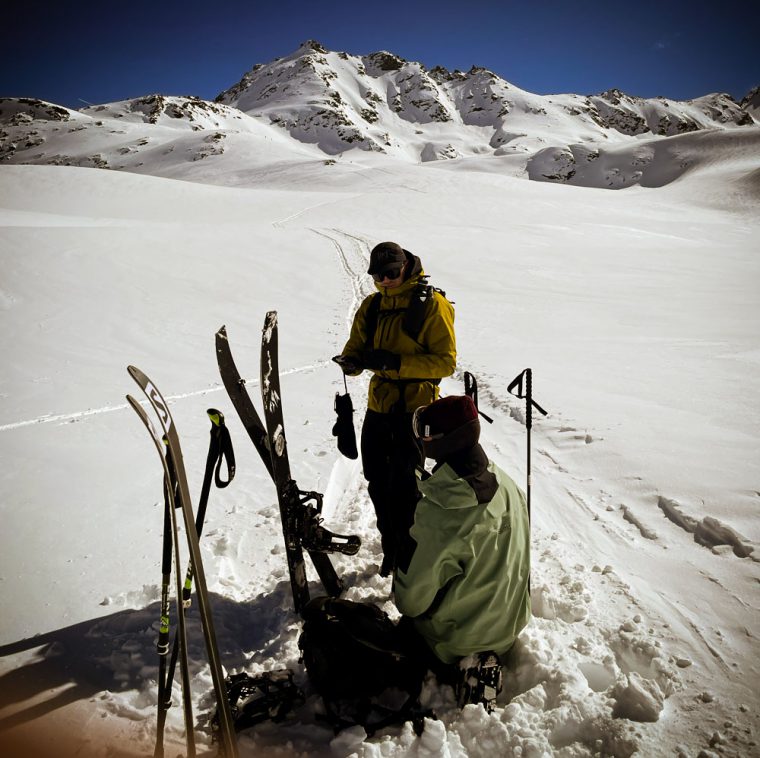
Jack from SNO ski touring in Verbier

How To Get Started With Ski Touring

The easiest way to try out touring is by adding a day or two of lessons into your existing Alpine ski holiday. La Plagne, Tignes, and Chamonix all have dedicated touring tracks with very safe learning environments. Complete touring setup rental costs £180-250 per week, with avalanche safety equipment adding £30-60. This is how I would recommend you test the sport, before committing to potentially over a grand for your own gear.

Book an introductory course with a qualified guide (£80-200 per person for group sessions), which typically include equipment rental and basic avalanche training. These courses teach you the basics of skinning technique, kick turns, and transitions in very gentle terrain. A 2-3 day introduction during a regular ski holiday can be enough to get you hooked.

Best Alpine Resorts For Beginners Learning Ski Touring

La Plagne is a great place to start, with seven marked ski touring circuits from 3.5-6km across three difficulty levels. The Les Coches to Plan Bois route will give you an easy introduction with village views, while Plagne Bellecôte to Col de Forcle climbs a more substantial 350m and has amazing Mont Blanc views. There are marked trails (partial grooming) which allow descent via regular pistes.

Tignes has three high-altitude touring trails above 2,100m, so you can be certain of reliable snow. The Pala’foulée and La Fastoche routes are safest for learning with clear markings.

Chamonix has three dedicated “Ski Fitness” tracks which are separate from pistes. Les Houches (841m vertical) and Le Tour (701m vertical) offer progressive challenges with world-class guiding in resort. I recommend ChamEx (formerly Chamonix Experience) owned by Everest legend Russell Brice (he ropes the North Face each year).

My other favourite resorts with beginners’ ski touring include Verbier (learn with Warren Smith), Val d’Isère (avalanche guru Henry Schniewind), and St. Anton (Florian at P2P). The SNO team will arrange a guide or lessons, if you’re booking the one of our ski holidays.

Jack stops to adjust his equipment while ski touring in Switzerland’s 4 Valleys

Ski Touring Equipment And Costs

We always recommend renting rather than buying for your first few ski tours and possibly for always. But ski touring kit is fun to research and buy, so here’s my complete touring setup (cost is £1,200-4,500 depending on quality whether you want the really Gucci-gear). 

Things to buy first:

Boots (£400-900) are my number one, because proper fit is so important.

Avalanche safety kit (£350-600 in total):

  • Transceiver: £180-400
  • Probe: £40-100
  • Shovel: £50-120

Renting everything makes sense at first, for £200-300 per week, but buying your own gets more economical above 6 weeks on the slopes. For complete beginners, I would say follow my ‘three-year’ acquisition strat: boots and safety gear in the first year, skis and bindings second year, and then additional items once your experience grows.

End-of-season sales (April onwards) gives you great 30-50% discounts and Austrian shops are cheaper than UK prices. 

SNO Pro Tips: 

  • don’t buy boots online, get them fitted in a shop where you can return daily for adjustments in your first week.
  • Mixed mohair/synthetic skins (€90-120) work best for European conditions.

Avalanche Education Is the Essential First Step

You really MUST complete an avalanche course before venturing beyond marked trails. AIARE Level 1 or European equivalents cost €550-630 for 1-day programmes covering terrain recognition, snow assessment, rescue procedures, and decision-making.

The European Avalanche Danger Scale uses five levels but always remember that ‘Considerable’ (level 3) conditions already represent a lot of risk. Daily bulletins from SLF (Switzerland), Météo-France, and lawine.at (Austria) provide your daily safety info – do not ignore them.

Modern transceivers like the BCA Tracker S (€250) provide you with reliable searching. But using them effectively requires regular practice with probe strikes and strategic shovelling techniques.
Rich ski touring in Whistler

Physical Requirements And UK Pre-Trip Training

Ski touring doesn’t have to be super-athletic, provided your aerobic fitness can handle hiking 2-3 hours uphill. You do need fairly decent off-piste skiing ability but be honest with your coach and they will tailor where they go to you. UK preparation before you go away on holiday should focus on a bit of cardiovascular endurance, and some hip flexor strength for the skinning motion.

Guided vs Independent Ski Touring

Definitely start with professional guides for avalanche assessment, route selection, and (heaven forbid) emergency response. Group tours cost a really modest £100-200 per person daily and private guiding costs £400-600 (split among participants). The Eagle Ski Club organizes whole trips from the UK but most people don’t want to commit a whole holiday and just do taster days on their regular ski trip.

Don’t go ski touring independently until you’ve had formal avalanche education, 15-20 guided days, and you’re very proficient in all the technical skills. Always tour with experienced partners, in groups of three minimum, and consider paying for a bit of advice beforehand from a local guide.

Mountain Navigation And Emergency Procedures

When technology fails you in the cold, you can see the importance of ombining digital tools (FATMAP, Switzerland Mobility) with traditional maps (1:25,000 scale). Satellite communicators like Garmin inReach (€300-500 plus subscription) are good for emergency communication, but I believe you need to be able to fall back on map and compass in a worst case scenario.

Emergency numbers:

  • Switzerland: 1414 (REGA)
  • Austria: 140 (mountain rescue)
  • Universal: 112

Insurance (it must specifically cover off-piste touring) UK providers:

  • Snowcard is a specialist winter sports coverage
  • SportsCover Direct has comprehensive off-piste options
  • BMC insurance is what I used at the North Pole – high helicopter rescue limits (£100,000)
  • Austrian Alpine Club costs €28-76 annually with a €25,000 rescue coverage
Glorious sunshine skinning up to glacier skiing

What Are the Best Conditions And Timing

Spring months are easily the best for beginner conditions with a stable snowpack, longer days, and much more moderate temperatures. I think that March until May balances good snow with less intimidating weather.

Focus on moderate angles (20-30 degrees) at first, so that you can think about technique, rather than your fitness. Most avalanches occur on 30-45 degree, slopes so you will skin and ski safer (and enjoy learning more) on shallower hillsides.

Common Mistakes To Avoid For Ski Touring Newbies

Equipment: Ensure really snug and comfortable boot fitting, practice attaching and stowing your skins at home, and never ever tour without complete safety gear and telling people where you are going and planning to return.

Planning: Start with steady 400-600m of climbing, and allow generous time buffers. Even with a guide, it’s still up to you to check multiple weather sources and talk to your guide about what the current weather means for your day on the hill.

Technique: Maintain gliding motion rather than lifting, practice kick turns on gentle terrain, pace for sustained effort.

Is Ski Touring Insurance Different Or More Expensive?

Yes, it is both different and slightly dearer, but not too much. Essential coverage includes:

  • Off-piste skiing without guide
  • Minimum £10,000 helicopter rescue
  • Altitude coverage above 3,000m
  • Equipment protection for £2,000+

Verify that “off-piste” in your policy does include touring, because some policies exclude glacier travel or high altitude.

My Milestones To Progress Your Ability Each Winter

Year one: Complete your avalanche education, practice on marked trails, join guided tours, and tackle some 400-600m ascent days. If you really love it, book a 2 day tour with overnight in a refuge up the mountain.

Year two: Do a mixture of guided and independent tours but be careful and take local expert advice. You’ll want to invest in your own equipment (get transceiver and boots first), explore more varied terrain, and progress to 800-1,000m days.

Year three onwards: The is when you develop more independence, planning multi-day tours and maybe even exploring technical terrain. I would say that you become very competent after 30-50 touring days across a few winter seasons.

SNO mates split-board touring in the Alps

Ski Touring Mountain Etiquette

The top rule is that you must always yield to uphill traffic. Avoid skiing down skin tracks for obvious reasons and respect quiet hours in huts (typically 22:00-06:00) if you’re overnighting. Book your accommodation early because the most famous tours (e.g. the Haute Route) book out long before you’re there on holiday. As with all outdoors fun, I always remind clients to practice the ‘Leave No Trace’ principles.

Next steps

  1. Book your next ski holiday at a recommended resort for touring (ask the SNO team)
  2. Book avalanche education for early in your week’s vacation
  3. Book kit rental and your first ‘taster’ ski touring day with lessons
  4. Do a little fitness training, focusing on uphill endurance (rucksack hiking is enough)
  5. Start to get excited… but don’t give in to the temptation to start buying kit!

You can easily try out ski touring for £350-600 (instruction/rental/insurance) and there really is nothing quite like the feeling of earning your turns out in the pristine alpine silence of the backcountry.

Skiers and snowboarders can tour together with touring skis and split-boards

Ski touring opens access to untracked terrain beyond the ski resort boundaries we’re used to skiing within. The combination of physical challenge, natural beauty, and earned descents creates experiences far beyond regular resort skiing.

Talk to the SNO team to find a ski holiday in a one of the top resorts to learn ski touring 020 7770 6888.

Ultimate Beginner Skier’s Guide to Val Thorens

When clients hear “Europe’s highest ski resort,” they often picture Val Thorens as some sort of extreme sports playground where only the fearless dare to tread. But nothing could be further from the truth. At 2,300m, this purpose-built snow-sure resort has one of the Alps’ most gentle beginner setups – complete with four free magic carpets that’ll have you sliding before you’ve even bought a lift pass.

I’ve watched countless first-timers take their initial wobbly descents here. They all benefit from the cleverly separated learning zones, and the super-easy blue runs to progress onto. The beauty of Val Thorens is you don’t need to venture anywhere near the speed-demons, when you first start learning.

Sunset on the Val Thorens ski lift

Where to start (from scratch)

The Castor and Pollux magic carpets form the heart of the beginner zone. They’re covered conveyor belts (horizontal escalators) which protect you from the weather while mastering the basics. All the ski schools tend to start you off here. Just around the corner, the Musaraigne carpet is an even quieter alternative. If you’re a nervous adult, I would recommend area as it’s often calmer away from the kids’ lessons.

For your first few days learning, there’s no need for a lift pass at all. The four free magic carpets (Castor, Pollux, Musaraigne, and Campagnols) give you plenty of terrain to learn on. Our family clients save hundreds on the first two days just on these areas. Don’t buy your beginners lift pass until they’re ready to ski further.

After the magic carpet runs (usually by day two or three) the EasyRider zone is next, with 50% discounted passes. This covers four key lifts including access to 2 Lacs (confidence-building green run) that’s been made even more accessible with a new gondola replacing the old chairlift.

Graduate from green onto easy blue trails and the whole 3 Valleys opens up to you

Making Sense Of The VT Ski School Maze

There are seven ski schools and over 400 instructors in peak season. Here’s where the ski holiday experts at SNO recommend to learn with.

ESF Val Thorens is the biggest ski school, and was started in 1972 by Jean Béranger, one of the resort’s original pioneers. They employ up to 300 instructors with an impressive 263 speaking English. ESF meets at Rond Point des Pistes each morning at 9:15. Groups up to 12 in the morning sessions (9:15-12:00) and 10 in the afternoons. The afternoon times get later as the winter days get longer. Early season 2:00-4:30, then 2:30-5:00 from mid-season onwards.

Prosneige has around 40 instructors and groups are capped at eight. They also have Chalet Les Planches, which is a 200m² on-slope base, where you can warm up between runs. They take kids from age 2 (younger than most) and also do adaptive skiing with specialist equipment like the Tessier DualSki.

Ski Cool has been run by the same family since 1981, and has 20 instructors. They have a Share N’Ski program which is good for families, where up to five of you can share the cost of a private lesson.

Private lessons cost between €60-80 per hour, and between €450-850 for a full day. I recommend booking a full day lesson if you want to explore the Three Valleys. Your instructor becomes your guide, showing you runs you’d never find alone.

Where’s best to stay in VT for beginners?

Val Thorens’s compact layout means “ski-in/ski-out” is genuinely how most of the resort works. Chalets and hotels along rue du Soleil put you closest to the learning areas. We suggest novice skiers taking kids book accommodation near Place Caron, to minimise walking and carrying skis.

The five-star luxury hotels like Altapura and Pashmina are really terrific. Great spas, Michelin-starred restaurants and family facilities like kids’ clubs and connecting rooms.

In the mid budget, Village Montana is a nice balance between lively and family-friendly. Hotel Le Sherpa, around since 1976, has genuine Savoyard character and amazing raclette.

At the budget end Hotel Val Chavière with its bunk bed rooms and our huge selection of apartments are great. We have ski-in/ski-out studios from £700 per week in low season, and “low season” in Val Thorens still means great snow. Self-catering works well as the supermarkets are reasonably priced.

Browse: Val Thorens chalets – Val Thorens hotels – Val Thorens apartments

Choosing Your Val Thorens Ski And Boot Rental Shop

Equipment rental in Val Thorens is convenient but pricey, unless you know the trick of pre-booking (ask my team about the SNO discount online). Intersport has the most locations, closest to the ski school meeting points. You can click through from the SNO page for an online discount.

Black Ski has good locations, including one 50m from the ESF kids ‘Piou Piou’ club, and they also deliver to apartments.

Don’t buy equipment until you’ve had a few ski holidays and know you’re going to keep going. After that, buy boots (the comfort makes or breaks your holiday) but keep renting your skis.

Refuelling Is Essential When Learning to Ski

As with all ski resorts, the higher you go, the more you pay, but learning is hard work so you need to eat heartily. I think Chalet des 2 Lacs (via the gentle green run from the 2 Lacs gondola) combines convenience, quality and reasonable prices. Burgers from €18 is no more than back home.

Chalet de la Marine is perfect for progressing beginners right on the Dalles piste. The upstairs restaurant serves elegantly presented Savoyard classics, while the downstairs self-service keeps things simple and cheaper. Non-skiing family members can actually hike up here – it’s one of the few mountain restaurants accessible on foot.

Evening dining runs the whole gamut, from fondue-till-you-drop trad, to sophisticated contemporary. La Fondue in Hotel Le Val Thorens is really nice, or Le Chaudron Magique is a bit more high-end (RichT from SNO is a big fan). A beer (not a pint) is still €8 but that’s what’s known as the ‘altitude tax’.

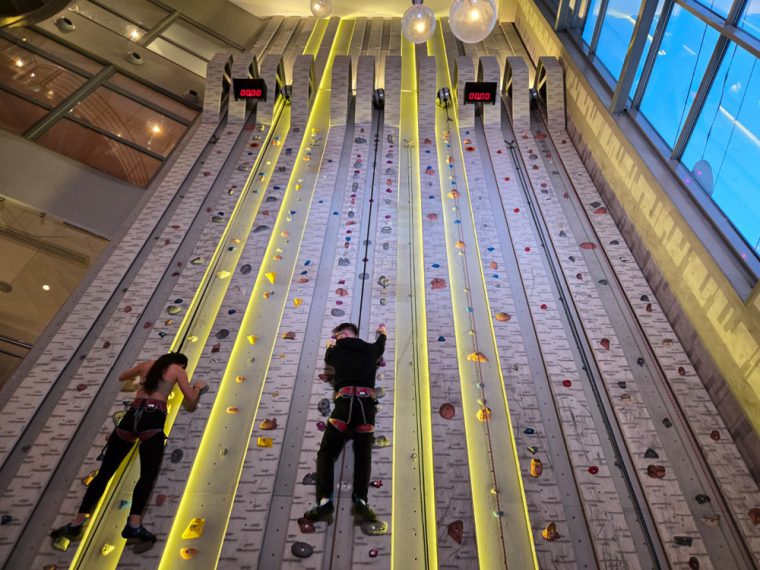
Good non-skier activities like the climbing wall in Club Med Val Thorens

If You Want A Break From Skiing

The 7,500m² Sports Center has most of Val Thorens’s off-slope activities. The swimming pool is good for aching muscles, and the spa saunas and jacuzzi can save your a holiday when the weather gets too wild. The kids’ fun park has 600m² of trampolines, bouncy castles, etc to keep kids entertained.

The 6km toboggan run is France’s longest and the 1,800m zip-line is really beginner-friendly.

The Igloo Village sound a bit of a tourist trap (yes it’s commercial and pricey) but watching kids’ faces when they enter the pirate-themed ice cave makes cynicism impossible. Wednesday’s fondue evenings book out, so it’s best to reserve the day you arrive on holiday.

For non-skiers, the pedestrian pass opens up the higher part of the mountain. I recommend the Cime de Caron at 3,200m on a clear day, with views of Mont Blanc and even further.

How To Get To Val Thorens And What It Costs A Beginner

Geneva is the main gateway airport and where you’ll get the cheapest flights from the UK. Sitting 159km away, the transfer takes from 2 hours 45 minutes (if you’re lucky) to 4+ hours on a Saturday in heavy-snow. Shared shuttles from €50 one-way are fine, and a €250-450 private transfer makes sense for families but most of our packages have this included.  Chambéry, just 112km away, should be easier, but limited flights mean it’s mainly charter-flight territory.

A week’s package ski holiday starts from £600 self-catered to £1,350 for a catered chalet and up to £2,500 for 5-star hotels (up to £4,100 in Feb half term). Remember, don’t buy a ski pass if you’re a complete beginner.

I would say January is the best-value time to visit, with quieter slopes, lower prices, and the best snow. February half-term is by far the most popular week of the ski season, but holidays are more expensive. The SNO team loves March because of the longer days and sunny lunches, but you can still ski in late afternoon. April’s spring skiing can be glorious – you can’t beat T-shirt skiing!

Why The Altitude Matters Less Than You Think

Yes, 2,300m is high. Yes, you might get a headache on day one. But I’ve watched thousands of beginners adapt without drama. Very young children seem more susceptible but arriving a day before you ski helps. The dry air and sun (10% humidity compared to 70% at sea level) is what you must take seriously. Drink water constantly, and reapply lots of factor 50 sun cream. I use SPF 50 lip balm too, as lips get chapped and burned.
You will notice the altitude when climbing stairs or rushing for the first lift, so don’t rush. Val Thorens rewards a civilized pace, which conveniently matches how fast most beginners want to go anyway.

High and cold Val Thorens snow is terrific for learning to ski on

Why Val Thorens Works So Well For Beginner Skiers

It’s not just the altitude-guaranteed snow from November to May, or the free magic carpets, although they are ideal for learners. It’s the way you can level up gently, from your first descents on Castor to eventually cruising the entire Three Valleys.

I think maybe the best thing about learning to ski in Val Thorens is that you always have great snow conditions.  That makes a really big difference at every level, but I see it making the most difference to complete beginners in their first few days on the debutante pistes.

We have such high levels of repeat-bookings at SNO, because we give good advice. We’ve booked hundreds of complete beginners into ski holidays in Val Thorens, and our amazing clients keep coming back!

Call our friendly experts 020 7770 6888 for help choosing your Val Thorens ski holiday or browse the package deals.

Ultimate Guide to La Plagne Après Ski Bars & Nightlife

Look, I’ll level with you. When people think French ski resort nightlife, ski trips to La Plagne rarely get mentioned in the same breath as Val d’Isère. Which is exactly why the SNO team have spent the better part of many seasons discovering that this sprawling resort hides one of the Alps’ most varied après ski scenes.

Scattered across ten villages from Aime 2000 down to Champagny, La Plagne’s bars might not have the international reputation, but what they lack in fame they make up for in character, value, and crucially, free shuttle buses that run until stupid o’clock.

The SNO team clubbing purely for research purposes in La Plagne

The lay of the land (because geography matters here)

Unlike those neat little resorts where everything’s on one street, La Plagne spreads its nightlife across multiple villages at different altitudes. Sounds like a pain, but actually, it works. You get completely different vibes in each spot, and those free buses mean you can explore without bankrupting yourself on taxis.

The altitude matters too. Mountain venues shut after the lifts close (from 5pm), village bars run until 2am-ish, and the proper clubs in Belle Plagne and Plagne Centre will see you through to breakfast if you’re that way inclined. Just remember – the Roche de Mio bubble everyone bangs on about is being rebuilt until December 2025, so don’t believe old guides telling you to use it for late-night village hopping.

La Bergerie lunch slowly morphs into unintended early après ski for Calvin, Naomi & SNOman

Where the magic happens on the mountain

La Bergerie – absolutely mental, absolutely brilliant

If you do one thing in La Plagne, make it La Bergerie on a Wednesday afternoon. This place sits at 2,180m on the Mira piste above Plagne Villages, and from 2:30pm it transforms from nice mountain restaurant to complete bedlam. This apres ski mecca is La Plagne’s answer to the Folie Douce next door in Les Arcs.

Picture this: you’re in your ski boots, probably on your third vin chaud, dancing on tables to a live saxophonist while a DJ mixes 90s bangers with whatever’s currently annoying your teenagers. The terrace heaves with bodies, the music’s loud enough to hear three lifts away, and everyone – from gap year kids to retired bankers – is having it. Wednesday’s the big one because all the seasonaires have their day off, but honestly, any afternoon’s worth it.

Getting there’s easy enough – Bergerie lift from Plagne Centre, Colossus from Bellecôte, or if you’re feeling brave, that bloody Aollets drag from Villages. I’ve even seen non-skiers hike up from the village. That’s dedication.

Prices? Surprisingly decent. Two beers and nachos to share came to €18 last time I checked. The party dies promptly at 5pm when the lifts close, so don’t rock up at 4:30 thinking you’ll catch the best bit. You need the full experience.

Le Bonnet – where the party continues

Smart money slides straight from La Bergerie down to Le Bonnet near Bellecôte. They keep things going until 7pm with DJs from 3pm, and that covered terrace is a godsend when the weather’s being dramatic.

Happy hour 4:30-6:30pm brings pints down to €5, which for a slopeside spot is frankly ridiculous. The modern wooden chalet looks properly Alpine, and yes, there’s actually an outdoor jacuzzi if you’re brave/stupid enough. Burgers run €11-17, and they do this thing with loaded fries that’ll sort your life out after a heavy morning on the glacier.

Plagne Centre – four flavours of fun

Igloo Igloo Bar

This place could’ve been terrible – the whole Arctic theme with fake ice walls, dancing polar bears, and penguins hanging from the ceiling screams “tourist trap”. But somehow it works. Maybe it’s the 4-8pm happy hour, maybe it’s the surprisingly good live bands from 9pm, or maybe it’s just that after a few drinks, singing karaoke surrounded by polar bears seems perfectly reasonable.

Located in the Galerie du Pelvoux, you can’t miss it. Sunday karaoke nights are legendary – just don’t bring the kids despite the cuddly décor. It gets properly messy.

Luna Bar

Four themed rooms spread over two floors at Place de la Cheminée. More chilled than Igloo Igloo, with pool tables, arcade games, and a shooter menu that reads like a chemistry experiment. Happy hour 5-8pm on Mondays, Wednesdays and Fridays. The Polish speciality shots are… an experience. Let’s leave it at that.

Monica’s Pub (actually in Plagne Soleil, not Centre)

Here’s one that catches everyone out – Monica’s is actually over in Plagne Soleil, not Plagne Centre like half the internet claims. Doesn’t matter though, the shuttle takes five minutes.

Open from breakfast through to 1am, with happy hour 4-7pm on draught beers. That sunny terrace is the best people-watching spot in the resort, and they’ve just added Paix Dieu on tap for 2024/25. Proper pub grub, Premier League on the screens, and a vibe that manages to be both family-friendly early on and properly lively later.

Le Cosy Club

The dark horse of Plagne Centre. Starts innocent enough at 5pm for conventional après, then morphs into the resort’s most serious nightclub from 10pm, often grinding on until 6am. Free minibus collections from all villages seal the deal. If you’re committing to a big one, this is where you’ll end up.

Belle Plagne – where it gets serious

Le Saloon – three floors of controlled chaos

This Wild West-themed monster could headline any Alpine resort. From 4pm it’s all live singers and happy vibes, then at midnight they flip the switch and it becomes a proper club with genuinely good DJs until 5am.

Three dance floors means you can find your vibe – cheesy pop, house, or just somewhere quieter to collapse. Word of warning though: drinks are pricey (think €10+ for a beer), and there’s definitely a two-tier pricing system. My French-speaking mate consistently gets charged less than me.

They often run a free shuttle to all villages, which means no more “how do we get home?” debates at 3am.

La Bodega – Spanish soul in the Alps

Operating since 1997, this place nails the tapas bar vibe like a proper Spanish venue. The wine cellar setting creates intimacy you don’t get in Le Saloon’s aircraft hangar spaces.

Open 4pm-4am, it cleverly evolves through the evening – relaxed tapas and wine early on, proper dinner service, then full club mode later. Monday salsa nights pull dancers from across the resort. Just don’t go mad on the cocktails unless you’re flush – this is Belle Plagne after all.

La Tête Inn – hidden historical gem

Tucked away in the Corail building (look for the unmarked doors), this 1830s building oozes character. You might think the cowhide sofas and milk-churn tables a bit cheesy, but the SNO team love happy hour (4-7pm) with pints for €5.

They serve complimentary bread with homemade pâté during happy hour, which is so great after an afternoon’s skiing. Live music every night ranges from jazz to rock covers. Small and intimate, so leave the pushchair at home.

The villages – where the La Plagne locals drink

La Mine Bar, Plagne 1800

Single-handedly makes Plagne 1800 worth visiting at night. The mining theme isn’t just painted on – you’re drinking at tables made from actual mining carts, surrounded by pickaxes and proper underground vibes.

Live bands 4-7pm, then DJs until 2am (3pm start on weekends). Check their Instagram for who’s playing – they get proper bands, not just someone’s mate with an acoustic guitar. Just avoid it when the seasonaires are out in force unless you’re under 25 and up for absolute carnage.

Spitting Feathers, Plagne Bellecôte

Tim and Anna have run this place for over a decade, turning it from standard British pub into genuine La Plagne institution. Three different happy hours daily (they keep changing times to keep you on your toes), curry night Wednesdays for €12, proper fish and chips Fridays for €14.

The Thursday quiz gets seriously competitive – book a table or you’re standing. Free minibus to high altitude villages seals the deal. Opens from 4pm normally, but 2pm when the weather’s grim and everyone needs somewhere warm.

The smaller villages

Aime 2000 has Vins & Un, a proper little wine bar where the owner actually knows the difference between Savoyarde vintages and just making it up. Burgers are brilliant and weirdly cheap at €8.

Montchavin’s Camp de Base Café at the bubble base serves Mont Blanc beer made with Génépi flowers. Tiny place, but where else are you drinking flower beer at €6 a pint?

Montalbert’s White Bear shapeshifts from family restaurant to the village’s only nightclub after 11pm. Happy hour until 6:30pm is apparently “very cheap” – make the most of it.

Champagny keeps it real with a handful of hotel bars. Not destination drinking, but solid when you can’t face the shuttle back from Bellecôte.

Late night options (for the committed)

When everywhere else gives up, three venues keep the dream alive:

Le Saloon – those three dancefloors keep pumping until 5am. Free shuttle home. Expensive but proper.

La Cave (Bellecôte) – 6pm-6am makes it the latest option. Very French crowd, very French music. You’ve been warned.

Le Cosy Club – reliable until stupid o’clock with minibus collections from everywhere. No excuses.

SNO mates start smart, with free pre-drinks in all-inclusive Club Med, before hitting the town

Making it work – La Plagne nightlife logistics

Transport is everything

Screenshot the shuttle timetables as soon as you arrive. Seriously. Phone signal vanishes in half these bars and you do not want to miss the last bus. The main services:

  • Red Line: Every 15 mins until 12:50am (Bellecôte-Centre-1800)
  • Blue Line: Hourly until 12:30am (covers Aime 2000)
  • Villages/Soleil Shuttle: Every 15-20 mins until 11:45pm

Download the Yuge App or Mov’in La Plagne App for real-time tracking. Keep taxi numbers saved (JB Taxi: 04 79 09 03 41 is reliable) because that last shuttle waits for no one.

Budget drinking tactics that do work

Save a small fortune by ‘happy hour hopping’ between bars:

  • 4-7pm start at either  La Tête Inn or Monica’s
  • 5-8pm move to Luna Bar or Igloo Igloo for an extra hour of cheap drinks
  • Where else?  Check La Mine’s Instagram as their happy hour can change

To eat before going out clubbing, we think Spitting Feathers and Monica’s offer best value for proper meals. Several places serve food until midnight for emergencies.

In nightclubs, bottle service works out cheaper if you’re in a group. €120 vodka between eight people = €15 each. Just saying.

Different crowds, different strategies

Stag/hen groups: Wednesday La Bergerie is mandatory, work through Centre bars, finish at Le Saloon. Book restaurant tables and shuttles in advance.

Families: La Bergerie afternoons give kids their first taste of proper après culture. Monica’s and Spitting Feathers welcome families early evening. Everywhere chills out by 9pm in the villages.

Couples: La Bodega from Tuesday to Thursday is good for intimate vibes. Vins & Un for proper wine lovers and it’s chilled enough to chat. La Tête Inn’s jazz nights are good for a date in a more grown-up atmos’.

Solo travellers: Bar stools at Spitting Feathers or Monica’s are where to seek out conversation. Thursday quiz nights are also perfect for meeting people and making new friends.

The La Plagne après ski experience

Here’s what a proper La Plagne night looks like:

3:30pm: You’re at La Bergerie, boots still on, joining the table-dancing 5:15pm: Quick slide to Le Bonnet for sunset beers 7:00pm: Food at Monica’s or Spitting Feathers (book ahead) 10:00pm: Warm-up drinks at Igloo Igloo Midnight: Decision time – Le Saloon for international vibes, La Cave for French flavour, or Le Cosy for guaranteed late doors

Or mix it up by villages:

  • Monday: Plagne Centre crawl
  • Tuesday: Belle Plagne sophistication
  • Wednesday: La Bergerie then 1800 carnage
  • Thursday: Quiz night at Spitting Feathers
  • Friday: Full Belle Plagne experience

Why it works

La Plagne’s après ski punches well above its weight. No, it doesn’t have St Anton‘s Mooserwirt or Verbier’s Farinet. What it does have is genuine variety, prices that won’t require a mortgage, and enough free transport to actually enjoy it all.

From La Bergerie’s glorious afternoon chaos to Le Saloon’s 5am dance floors, from proper British comfort at Spitting Feathers to wine education at Vins & Un, there’s something for every mood, budget and blood alcohol level.

The spread-out villages thing that seems like a weakness? It’s actually La Plagne’s secret weapon. Each area has its own personality, the free shuttles mean you can explore properly, and you’re never fighting through the same crowds every night.

Just remember the golden rules: shuttles stop eventually (screenshot those timetables), La Bergerie Wednesday is non-negotiable, and Monica’s is in Soleil not Centre despite what Google says.

After three seasons of “research”, I can honestly say La Plagne delivers 90% of the famous resorts’ experience at 70% of the price, with way more variety. You just need to know where to look.

Now you do.

For specific venue recommendations based on your group, dates or budget, call the SNO team. We’ve been sending clients on amazing La Plagne ski holidays for two decades, so call 020 7770 6888 for advice or browse our package deals.

Best Après Ski Cocktails

Whether you’re a seasoned shredder or a newbie to the slopes, you will have heard that ski holidays are renowned for their après scene and speciality cocktails. We’ve rounded up a few of our favourite mountain cocktails and some of the places where you can sip them with a magnificent glistening white backdrop.

Why does ski resort mixology so often start with champagne?

Aperol Spritz

Originating in Italy, this tasty, refreshing, colourful delight burst onto the après scene a few years ago and has since spread across the Alps as a firm favourite. Consisting of the orangery-flavoured Aperol Liqueur, prosecco, and a dash of soda water, the legendary Aperol Spritz is here to stay. Where better to try an Aperol Spritz than in its home country? We rate the ones at La Stua Apres Ski bar in Selva in the Dolomites.

Ingredients:

  • 50 ml Prosecco
  • 30 ml Aperol
  • Splash of soda water
  • Orange garnish

Method: Pour the prosecco into a wine or gin glass, then add the Aperol and a splash of soda water. Top with some ice and a slice of orange.

An aperol cocktail on the side of a bar

The Hugo

Since the boom of the Aperol Spritz, coming up closely behind it, is the thirst-quencher extraordinaire, the Hugo. The Hugo is the perfect accompaniment for spring skiing. Bask in the glorious sunshine and reenergize for the afternoon with this elderflower-flavoured moreish cocktail. Sip a delicious Hugo at Ice Q in Sölden while overlooking the breathtaking panoramic views.

Ingredients:

  • 1 sprig of fresh mint
  • Slice of lime
  • 1 tbsp elderflower cordial/syrup
  • 150 ml prosecco
  • Splash of Sparkling water
  • Ice cubes

Method: Fill a wine or gin glass with your preferred amount of ice cubes and pour the elderflower cordial, then add the prosecco followed by the sparkling water. Garnish with a slice of lime and sprig of mint.

A Hugo and Aperol cocktail on the balcony on Ice Q bar in Solden

Mulled wine

Warm you hands and your soul with a Glühwein or Vin Chaud; a warm, spiced red wine beverage. A staple tipple for those colder months in the mountains and a firm favourite for every ski holiday. Grab your winter warmer at the esteemed La Fruitiere restaurant, next to the famous Folie Douce in Val d’Isere.

Ingredients:

  • 1 (750-ml) bottle red wine
  • 1 orange, sliced into rounds, plus more for garnish
  • 6 whole cloves
  • 3 cinnamon sticks, plus more for garnish
  • 3 star anise
  • 90 g honey
  • 120 ml brandy

Method: Combine all the ingredients in a saucepan over a medium heat. Bring to a simmer, then reduce heat to medium-low. Simmer gently over low heat for 10 minutes. Serve warm and garnish with citrus slices and cinnamon sticks.

A small glass of mulled wine garnished with star anise and a cinnamon stick

Peppermint Schnapps hot chocolate

Hailing from Germany and popular throughout Swiss ski resorts compromises of hot chocolate spiked with Peppermint Schnapps. This tantalising treat is an absolute calorie-fest, but it is certainly well-deserved after a day carving up the pistes. We reckon the perfect spot to indulge in one of these gems is at the exquisite, cosy mountain restaurant, La Marlénaz in Verbier.

Ingredients:

  • 2 oz Peppermint Schnapps
  • 6-8 oz hot chocolate
  • Whipped cream
  • Garnish with shaved chocolate or peppermint sticks

Method: Add peppermint schnapps and hot chocolate to a saucepan. Heat mixture then add to serving glass. Garnish with whipped cream and peppermint sticks.

A hand holding a clear mug of hot chocolate against a snowy background

Demi peche

We may have snuck this one in as it ‘sort of’ passes off as a cocktail and we couldn’t miss out this simple yet satisfying thirst-quencher. Famous in the French Alps, this twist on your regular lager combines a splash of peach syrup in beer. The Loop Bar in Tignes Le Lac is a cool spot to appreciate one or five of these while surrounded by the base of stunning snowy white mountains

Ingredients:

  • Wheat beer or lager
  • Peach (peche) syrup

Method: Literally just wheat beer or lager with a dash of peach syrup! Drink up and enjoy!

2 clear drinking glasses with beer in

Long Island Iced Tea

Looking for something strong to kick off your après game? Look no further than the alluring Long Island Iced Tea. St Anton’s après scene is brimming with these lethal little beauties. Warning: too many of these bad boys could result in being carried down the mountain, so perhaps stick to having these in the resort village – Scotty’s in St Anton’s town centre is well-known for their luscious Long Island Iced Teas.

Ingredients:

  • 15 ml vodka
  • 15 ml rum
  • 15 ml gin
  • 15 ml tequilla
  • 15 ml triple sec
  • 30 ml fresh lime juice
  • Dash of cola, add more if tastes too strong
  • 1 lemon slice

Method: Fill a cocktail shaker with ice. Pour vodka, rum, gin, tequila, triple sec, and sour mix over ice, cover and shake. Pour cocktail into a Collins or hurricane glass, top with a splash of coco-cola and garnish with a lemon slice.

Clear glass of orange drink garnished with a black straw and piece of orange

Kir Royale

If you’re feeling fancy, the Kir Royale is a popular aperitif in many ski resorts. It consists of the black currant flavoured syrup, Crème de Cassis, and sparkling wine. You can find these regal cocktails at Waikiki Apres Ski Bar in Courchevel 1850 or perhaps one will be eagerly awaiting your arrival in your chalet before dinner.

Ingredients:

  • 1 tsp Crème de Cassis
  • Champagne

Method: Pour a teaspoon of the Crème de Cassis into a flute glass, top with Champagne or a crisp sparkling wine and some blackberries or any berries of your choice for garnish and enjoy!

Champagne glasses lined up on a table filled with a pink drink and berries

For the best places to try the odd tipple in the mountains, check out our guide to the world’s best apres ski resorts and the best apres ski in Europe, where the most famous and lively bars and nightlife round off perfect days on the slopes.

Ultimate Beginner Skier’s Guide to La Plagne

Here’s something most people don’t realise about ski holidays in La Plagne – it’s actually 11 separate villages pretending to be one resort. And that’s exactly why it’s brilliant for beginners.

While everyone’s queuing for the Vanoise Express to get to Les Arcs, you’ll be happily pottering about on 79 beginner-friendly runs without ever needing to venture into the wider Paradiski. The numbers are staggering: 16 free lifts (yes, actually free – no catch), including proper covered magic carpets at Cowboys below the Colorado lift and Ange at Bellecôte.

Jimmy aching at lunch time after a big morning on the La Plagne slopes

I discovered La Plagne’s beginner potential completely by accident. Brought the boys here because everywhere else was booked solid one February. Jimmy was 8 and convinced he’d be pro within hours, and Charlie at 5 just wanted to throw snowballs. Four days later, Charles was racing me down Boulevard shouting “Daddy, you’re too slow!”

Here’s why La Plagne is one of the Top 10 best beginner ski resorts in the world:

Why La Plagne’s Geography is a Beginner’s Best Friend

Forget what you’ve heard about altitude being intimidating. La Plagne sits on a massive plateau between 1,800m and 2,100m – imagine a giant snowy dinner plate tipped gently to one side. This isn’t like Chamonix where you’re staring down steep valley walls. Here, you’re skiing across, not down.

The magic happens because of how the villages connect. Take the run from Belle Plagne to Plagne Centre – it’s called Les Inversens and it’s basically a 3km scenic tour that happens to involve skis. You’re not plummeting anywhere. You’re cruising past the Dôme de Bellecôte, maybe stopping at the Igloo restaurant halfway for a €4.50 hot chocolate (not €14 like Courchevel, thank you very much).

What really sets La Plagne apart is the Cool Ski system. For €38 a day, you get a pink bib that screams “learning, give me space!” Some resorts make beginners mix with the speed demons from day one. Not here. With Cool Ski, you stick to designated beginner zones until you’re ready. It’s like having stabilisers on your bike – no shame, just sensible progression.

The spread across those 11 villages means something else too. When Plagne Centre gets busy (and it does – that’s where all the Brits congregate), you can escape to Plagne 1800 where the TP Plagne lift has maybe five people waiting. Or head to Montchavin where the Dos Rond chairlift serves the most forgiving blue run in the entire Paradiski area.

Village by Village: Where Beginners Actually Want to Be

Belle Plagne – Where Even the Ski School Director Learned

Start here if you can. Not because it’s the prettiest (though those wood-clad buildings photograph well), but because the beginner setup is unbeatable. The magic carpet next to the Belle Plagne restaurant runs for 120 metres with a gradient so gentle, Charles managed to slide backwards on it. Twice.

Boulevard starts literally outside the tourist office. It’s 2.5km of wide, confidence-building slope that takes you all the way to Plagne Bellecôte. The snow fence on the left means you can’t fall off the trail.

Stay at Les Balcons if you’re here with kids. Proper ski-in/ski-out means no morning boot march, and their pool has a slide that bought us two extra days of skiing when bribery was required.

The local secret: on Thursday morning, we saw the ESF instructors use Boulevard for speed tests. Watch from the Restaurant La Metairie terrace – you’ll learn more about carving in 20 minutes than any YouTube video can teach.

Plagne Centre – Ugly but Brilliant

Those 1960s tower blocks? Monumental Marmite – you’ll love them or hate them. But here’s why beginners end up here: everything just works.

The Cowboys carpet (free) feeds perfectly onto Les Indiens, which might be the best first green run in the Alps. Why? It’s wide enough to accommodate your inevitable zig-zagging, gentle enough that you won’t pick up scary speed, and it ends right at the Carrefour shopping centre where the loos are free and the coffee’s €3.

Oxygène ski school owns this patch. Their meeting point by the tourist office is impossible to miss – just look for instructors in black and yellow looking far too cheerful for 9am. Book their 10am group instead of 9am. That extra hour makes all the difference when you’re wrestling kids into ski gear.

Money-saving tip specific to here: The Sherpa supermarket does meal deals after 4pm. €7 gets you a sandwich, drink and cake – perfect for apartment dwellers who can’t face cooking after a day on the slopes.

Plagne Bellecôte – Less Known But Beginner’s Fave

The Arpette sector has five blue runs that interconnect so you can keep changing your route down. Arpette itself is really wide and cruisy and Chanrossa adds some gentle turns. By the time you’re ready for Pravendue, you’re practically parallel turning without realising it.

The magic carpet here (Télécorde des Envers) sits in a natural bowl. You literally can’t ski out of the beginner area by accident. The ESF hut at the bottom sells the best pain au chocolat in the resort (€2.50, arrives warm at 10:30am daily).

Insider knowledge: The Chalet de Bellecôte restaurant does a €15 plat du jour that includes dessert. Sit on the terrace, watch the Roche de Mio cable car disgorge experts onto the Emile Allais black run, and feel smug about your sensible choice of gentle blues.

The Others (Quick Reality Check)

Montchavin: Phenomenal for sheltered tree-skiing when it’s snowing heavily. The Plan Bois carpet is free and feeds onto the easiest blue in Paradiski. But it’s 1,250m altitude – in a bad snow year, you’re looking at slush by March.

Plagne 1800: Cheapest accommodation, brilliant ski school (ask for Marie-Pierre), but it’s a proper trek to anywhere else. Good for dedicated beginners who won’t resort-hop.

Aime 2000: High, snow-sure, convenient. Some say it’s a bit soulless, like skiing in a business park. The Bijolin beginner area never gets crowded though.

Plagne Villages: Properly pretty, eye-wateringly expensive. That said, the Plan Vaches blue run is deserted most days and perfect for building confidence away from crowds.

Feed beginner kids well and they’ll be back at it tomorrow – Jimmy aged 8 in Plagne 2100

Your First Few Days: La Plagne-Specific Reality

Day One: Free Lift Strategy That Actually Works

Forget generic “take it easy” advice. Here’s your La Plagne day one battle plan:

8:30am: Collect kit from Précision Ski (Plagne Centre) or Skiset (Belle Plagne). Both open early, both do proper boot fitting. If your feet hurt within 20 minutes, go back and they’ll adjust for free.

9:30am: My boys love starting at the Cowboys carpet at Plagne Centre. It’s 80m long with a burger van at the bottom selling €3 vin chauds from 11am. Parents can take turns skiing and warming up.

If Cowboys is rammed (school holidays), try:

  • Ange carpet at Bellecôte (120m, gentler gradient)
  • Télécorde des Envers at Belle Plagne (enclosed, so warmer)
  • Plan Bois at Montchavin (tree-lined, pretty)

12:30pm: Lunch at Les Cocottes (Plagne Centre) or La Ferme (Belle Plagne). Both do kids’ menus that aren’t just nuggets and chips.

Afternoon: The same carpet but a different mindset. You’re not learning to ski, you’re learning to stand on a slippery slope while wearing clown shoes.

Day Two: Still Free, Getting Braver

Morning: Try a different free lift. If you started at Cowboys, next head to the Bellecôte’s beginner zone. The change of scenery helps more than you’d think.

This is when to book your first lesson. ESF has meetings points at every village, but their Plagne Centre operation is slickest. Oxygène only operates from Centre and Belle Plagne but includes transfers. Evolution 2’s base is Montchavin – trek to get there but worth it for their small groups.

Afternoon: Graduate to the easiest green. From Cowboys, that’s the bottom section of Les Indiens. From Bellecôte, try the last 200m of Arpette, which is still free but ever so slighlty more challenging.

Day Three: Buy The ‘Cool Ski’ Lift Pass

Pay the €38 for the ‘Cool Ski’ pass to ski farther afield. This opens up:

  • Full Les Indiens and Golf at Plagne Centre
  • Boulevard and Edelweiss at Belle Plagne
  • Arpette and Chanrossa at Bellecôte
  • Crozats and Biolley at Aime 2000

The pink bib isn’t embarrassing, it’s liberating, because suddenly everyone’s giving you space. Lift operators are helping you load, and you can use the dedicated slow lanes on busy pistes.

Pro tip: The Cool Ski zones have their own piste maps at ticket offices. Grab one. The main resort map is overwhelming when you can only ski 10% of it.

Days Four and Five: Exploring

Now you’re motoring. Time for village connections:

  • Belle Plagne to Bellecôte via Boulevard: 20 minutes of gentle cruising
  • Plagne Centre to 1800 via Mira: Technically a red but gentler than most blues
  • Bellecôte to Montchavin via Dos Rond: Through the trees, magical on a sunny day

By day five, you might eye up a red. Mira (despite the classification) or Prameruel are your best bets. Wide, well-groomed, and they’ve seen worse skiers than you. Trust me.

SNO team taking Sky (right) to learn in La Plagne – didn’t need to buy a ski pass for 2 days

Practical Stuff That’s Actually Practical

The Three-Pass Strategy

Days 1-2: Free lifts only (save €116) Days 3-4: Cool Ski at €38/day (total €76) Days 5+: Full La Plagne pass at €58/day

Don’t bother with Paradiski extension first trip. You’ve got 225km to explore before needing Les Arcs. That’s like learning to drive in a Ford Fiesta then immediately buying a Ferrari.

Ski School Specifics

ESF: 180 instructors, but ask for our pal Seb Scott’s recommendation, especially if you’re staying at the Club Med at Plagne 2100. Their Piou Piou Club at Belle Plagne is brilliant for tots. €252/week for groups.

Oxygène: British-run, based at Plagne Centre with Belle Plagne satellite. €289/week includes transfers. Naomi from our office credits instructor James with “making it click.”

Evolution 2: Montchavin-based, max 8 per group. Pricier but consistently rated tops for adult beginners.

New Generation: Based in 1800, they do Video analysis, even in groups.

Food and Drink Reality

Mountain restaurants aren’t cheap, but La Plagne’s better than most:

  • Plat du jour: €12-15 (€20+ in Val d’Isère)
  • Hot chocolate: €4.50 (€7 in Méribel)
  • Beer: €5.50 for a demi (€8 in Courchevel)

Best value lunch: La Bergerie at Plagne Soleil (€13 tartiflette). Worst: Chalet du Friolin (captive audience at gondola top = €18 spag bol).

Apartment dwellers: Plagne Centre has a proper Carrefour. Belle Plagne has a Sherpa (pricier). Stock up in Bourg St Maurice on arrival if driving.

When Is The Best Time To Learn To Ski In La Plange?

The whole ski area and most of the villages are very high, so you can confidently book any time during the winter and get good snow. You might want to pick the higher villages if learning to ski in December or April.

This is a big resort that handles traffic well, but French holidays can be busy. Specifically:

  • February 8-24: All zones converge
  • Christmas/New Year: Obviously
  • Easter: Depends on dates but always busy

We hit Paris holidays once. Ski school were completely full. Lift queues tripled. Learn from our pain.

Weather patterns: La Plagne catches snow when everywhere else doesn’t (thank that plateau). But in whiteouts, only Montchavin has proper trees for visibility. Everywhere else, you’re skiing in ping-pong ball conditions.

The Stuff Nobody Tells You

The bus between villages runs until midnight and it’s free. Brilliant for trying different restaurants without driving. Don’t expect it to run on time, but it’s really regular so you rarely have to wait long.

That glacier you can see from everywhere? The Bellecôte? You can’t actually ski it as a beginner. But the cable car takes foot passengers for €8 return. Worth it for sunset photos that’ll make your Instagram followers weep.

Plagne Centre has a bowling alley with six lanes and the French cinema shows English films with French subtitles on Wednesdays.

If you’re driving, the underground car parks are not too extortionate (€150/week). Park at Plagne 1800 (€50/week) and use the free buses. Yes, it’s faff. Yes, it’s worth saving €100.

The Honest Truth About Learning To Ski In La Plagne

La Plagne isn’t the prettiest resort in the Alps. But (and this is a massive but) for learning to ski, might be unbeatable. That combination of extensive beginner terrain, clever lift design, high-altitude snow reliability and spread-out villages works brilliantly.

I’ve taken complete beginners to fancier resorts. Watched them struggle on icy low-altitude slopes, fight crowds for the single magic carpet… Then brought them to La Plagne and watched everything click.

My boys learned here. Sky in the SNO team learned here. After 20 years of skiing different resorts with beginners, I keep coming back here, because La Plagne just works.

Ready to discover La Plagne ski holidays for yourself? Call our friendly experts on 020 7770 6888 or check out our package deals. We’ve been introducing people to the mountains for over 40 years – we know what works.

7 Bucket-list Ski Holidays

Our list of bucket list ski holidays offers inspiring and unique experiences that guarantee to make your next trip to the mountains unforgettable. From powder skiing in Japan to exploring Canadian mountain wildernesses by helicopter, our handy guide takes you straight to the most iconic ski holidays on offer in the world’s best ski resorts. 

Male skier wearing a blue ski jacket standing at the top of a snowy hill looking down into a forest

Table dance in the best après bars in the world in St Anton

Incredible skiing aside, St Anton’s après terraces are exactly where you should head after a rewarding day on the mountain. Austrian hospitality and unparalleled charm do not go a miss in the ski party capital of the Alps. Down in the town you will find cosy, traditional huts serving up local dishes such as dumpling soup and cured meats; whilst up on the slopes lie some of Austria’s most famed and long-standing après bars. Just down the Galzig piste, you can experience Krazy Kanguruh and Mooserwirt, where dancing on the tables with shots served on skis is the norm. The background scenery of the dropping sun behind snowcapped mountain tops will be a spectacle to behold.

View ski holidays in St Anton

SNOman convinced Mooserwirt barman to swap T-shirts, and danced with a visiting Swiss ice hockey team, who decided to strip off…

Ski the longest black piste in Alpe d’Huez

Alpe d’Huez is famous for its glorious bluebird skiing, with over 250km of piste to explore in the Huez Grand Domaine. The resort is best known for its iconic black run; The Sarenne attracts daredevil skiers worldwide. Descend a tremendous 18km from the Piz Blanc summit, on a route that holds the title as the longest black run in the Alps. The dizzying heights of this exhilarating piste treat skiers to majestic panoramic views of neighbouring peaks from the terrace at the top. Thrill-seekers be warned; there is a steep, ungroomed section on this route that will quickly turn into large moguls without fresh snow. Once the moguls are concluded, you will find yourself surrounded by nothing but nature on your blissful descent. Snoman’s son Jimmy is an intermediate skier, yet skied the Sarenne with his ESF coach, so it’s very do-able with the right guide (he looked a bit pale when have came back though).

View ski holidays in Alpe d’Huez

JAPOW! Ski the world’s best powder in Japan

With fine dining restaurants brimming with authentic local culture, stupendous passing views of Mount Yotei, and plentiful supplies of the freshest powdery snow; skiing in Japan is an out of this world experience that should be on everyone’s bucket list. We recommend visiting Niseko, located on the north island, and is acclaimed for its vast snowfall levels, averaging up to 18 metres per season. Niseko caters well to skiers of all abilities, with a choice of well-groomed pistes and some incredible tree lines. However, this resort has made its name by what it can provide off the piste. Plentiful snowfall is a given, but the quality of the snow sets Niseko apart from the rest, with light, fluffy, and dry powder that is truly rare and absolutely unmissable.

Happy lady dressed in ski wear sitting in the snow in Niseko
Fresh snow in Niseko

Complete the the Haute Tour in Chamonix

The Haute Tour is an epic 6-day ski journey that starts in the shadows of Mont Blanc in Chamonix and ends at the majestic Matterhorn in Zermatt. Totalling 120km of beautiful backcountry terrain, this epic route crosses two countries, ticking off glorious glaciers and out of this world powder pockets that will exhilarate you right to the core. If you are up for the challenge, a local Alpine expert based in Chamonix can offer the best guidance to ensure you stay safe on the adventure of a lifetime. The Haute Tour requires a competent level of fitness and minimum intermediate level skiing. 

View ski holidays in Chamonix

Heli-skiing in Canada

The vast and remote mountains of Canada are the ideal setting for heli-skiing, and should be at the top of your wish list for places to indulge in this incredible experience. Canada is known for its incredibly steep terrain and colossal vertical drops – the likes of which can be accessed with nothing other than a helicopter. The thrill of landing in a limitless wilderness of untouched powder that no one has accessed, let alone skied in, is a truly remarkable mountain experience. Do not be deterred if you are not a pro skier, as there is plenty of terrain available to suit varying abilities. 

View ski holidays in Canada

Ski epic off-piste in La Grave

La Grave is not your typical resort, bucking all trends. This extravagant town is nestled at the foot of Massif des Écrins in France, and is known for its unique aura, authentic charm and sense of freedom, which attracts experienced off-piste skiers and free-riders from all over the world. It is for this reason that La Grave is not best suited to beginner skiers – offering only one groomed piste and main gondola up to the summit of La Meije. The adventure lies in the dazzling areas of backcountry terrain and off-piste descents that stretch all the way up to a snow-sure 2,300m. From the top, lines are abundant, with so many varied routes that you will be spoilt for options. We always recommend exploring these slopes with an experienced mountain guide with local knowledge. 

Night skiing in Alpbach  

Arguably one of Austria’s prettiest ski resorts, Alpbach is scattered with traditional dark wooden chalets and narrow picturesque streets, adding to its strong sense of tradition. The cosy charm of this quaint town comes into its own during the end of December and March, when skiers can enjoy night-skiing down floodlit pistes. Catch the Reitherkogelbahn gondola up from 6.30 pm on a Friday or Saturday night, and experience this magical moment for yourself. Bask in the silence and indulge in the novelty of blissfully quiet pistes. Alpbach offers some of the best night skiing available in the Alps, which guarantees to elevate your ski holiday to the next level. 

View ski packages to Alpbach

2 skiers skiing down a piste at night in Alpbach
Night skiing in Alpbach. Photo credit: Skijuwel.com

More bucket list ski experiences

Looking to book your bucket list ski trip?

View ski holidays in 2026 or call our friendly experts on 020 7770 6888.